
The Challenge: Beyond the Spec Sheet.
In a market saturated with appliances, a food mixer is often reduced to its wattage and bowl capacity. But for the home baker and the culinary artist, a mixer isn’t just a tool; it’s an extension of their passion. The challenge for GOBBG was to move past the “how it works” and dive deep into the “how it feels.”
We took on the responsibility—not as a task, but as a matter of pride—Our mission was to bridge the gap between a digital render and a sensory experience.
The Vision: Hyperrealism as a Narrative
How do you quench the thirst of a shopper who is tired of scrolling through dry documentation? You show them the results they can taste.
By leveraging our high-end 3D rendering pipeline, we didn’t just model a machine; we sculpted an emotion. We understood that to sell the mixer, we had to sell the softness of the dough, the airiness of the peaks, and the precision of the engineering.
The Execution: A Multi – Sensory
1. The Texture of Success
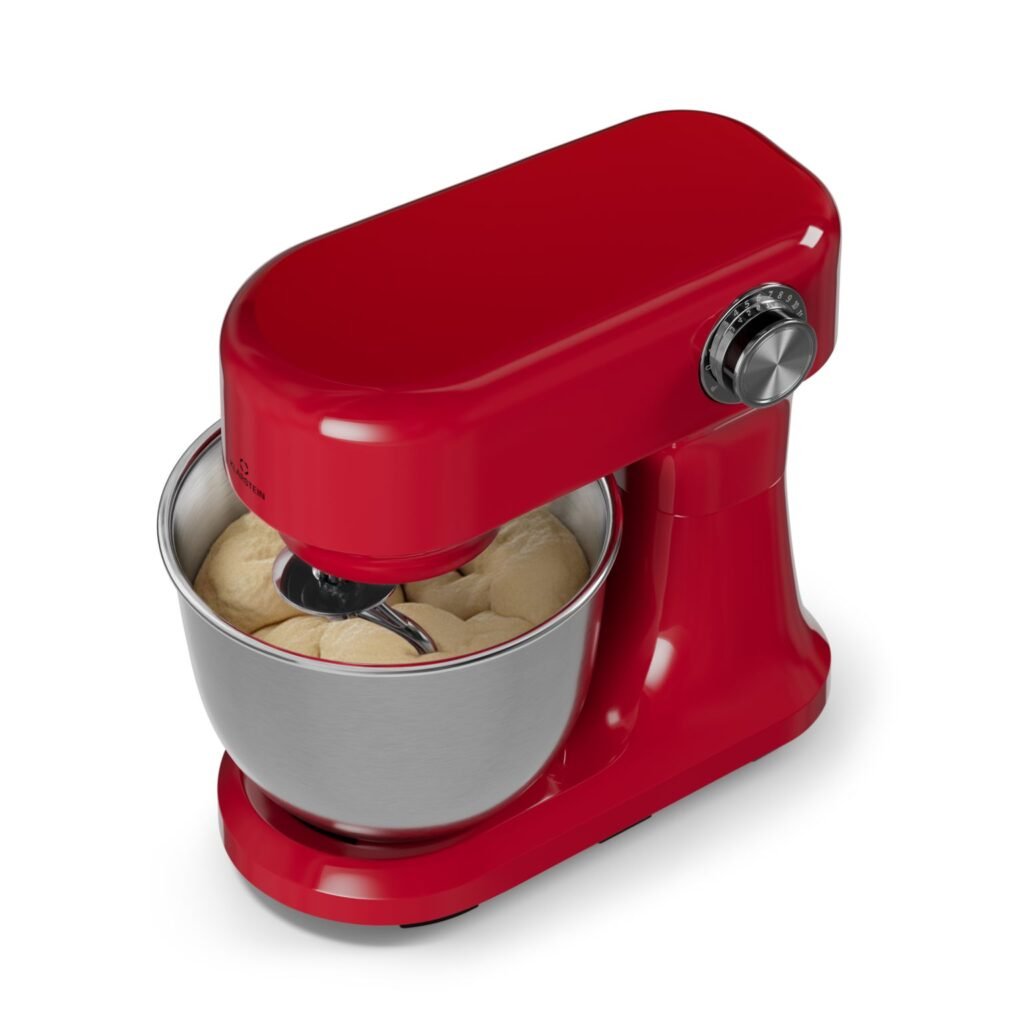
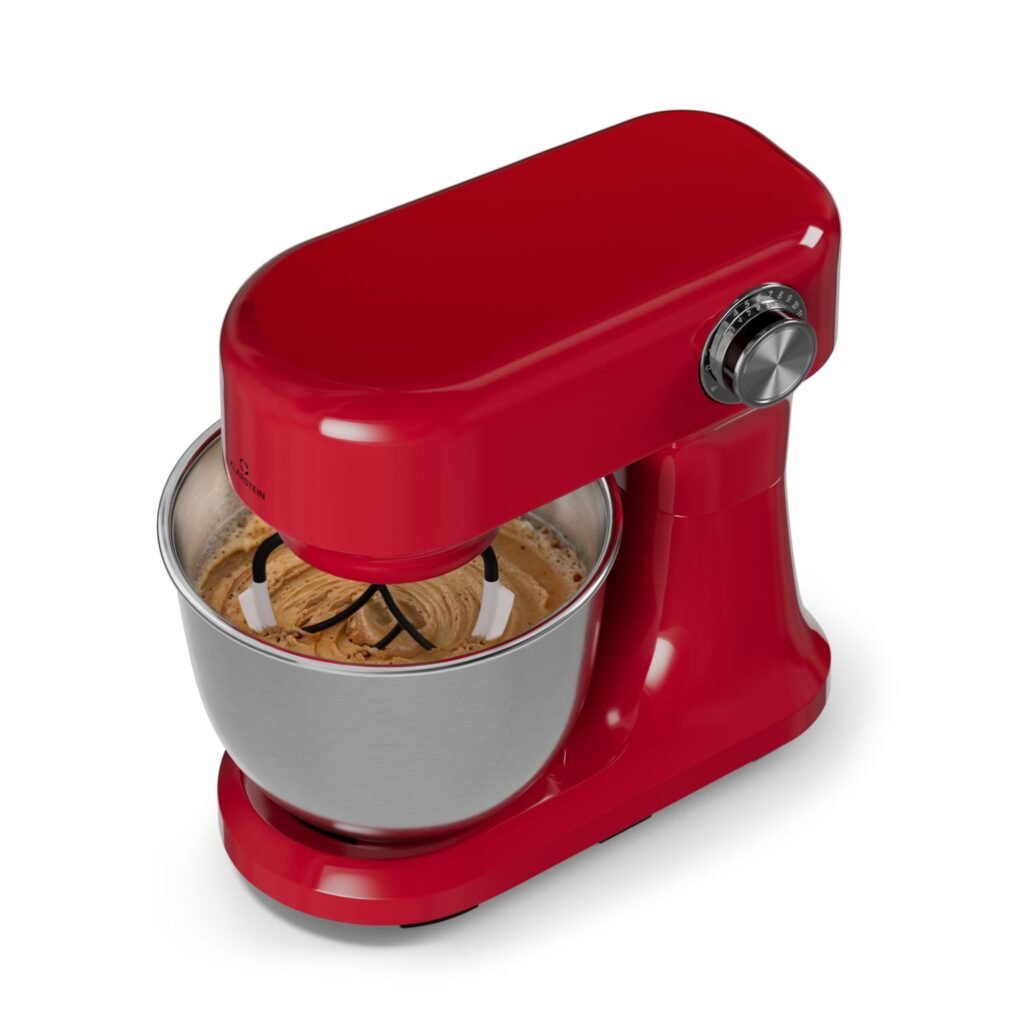
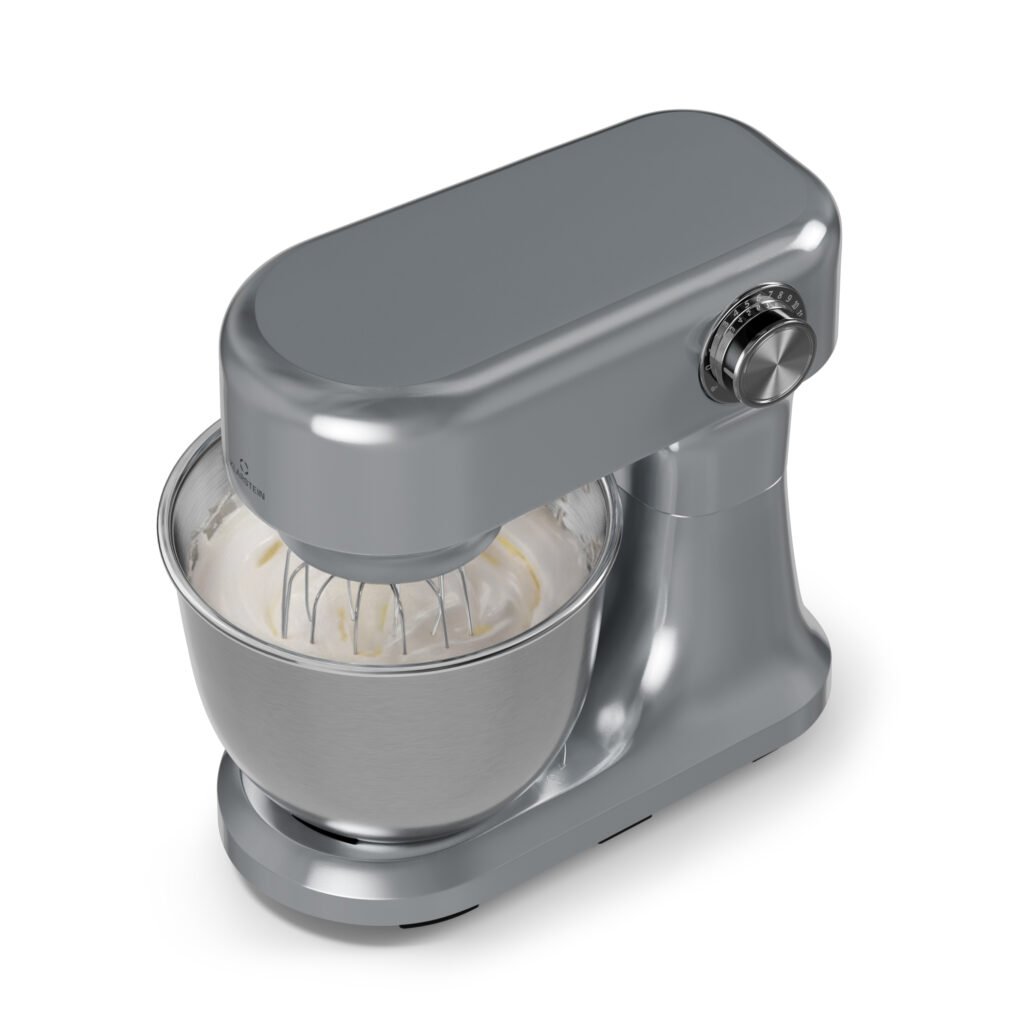
Our Hyperrealistic visuals are designed to trigger a tactile response. In our renders, you don’t just see the dough; you feel its elasticity and suppleness as its clings the hook. You don’t just see the whipped cream; you experience its velvet-smooth, fluffy peaks. By showcasing the coarness of the buttercream against the polished stainless steel of the bowl, we provide an immediate answer to the shopper’s deepest question: “Will this make my life easier?”
2. The Anotomy of Elegance
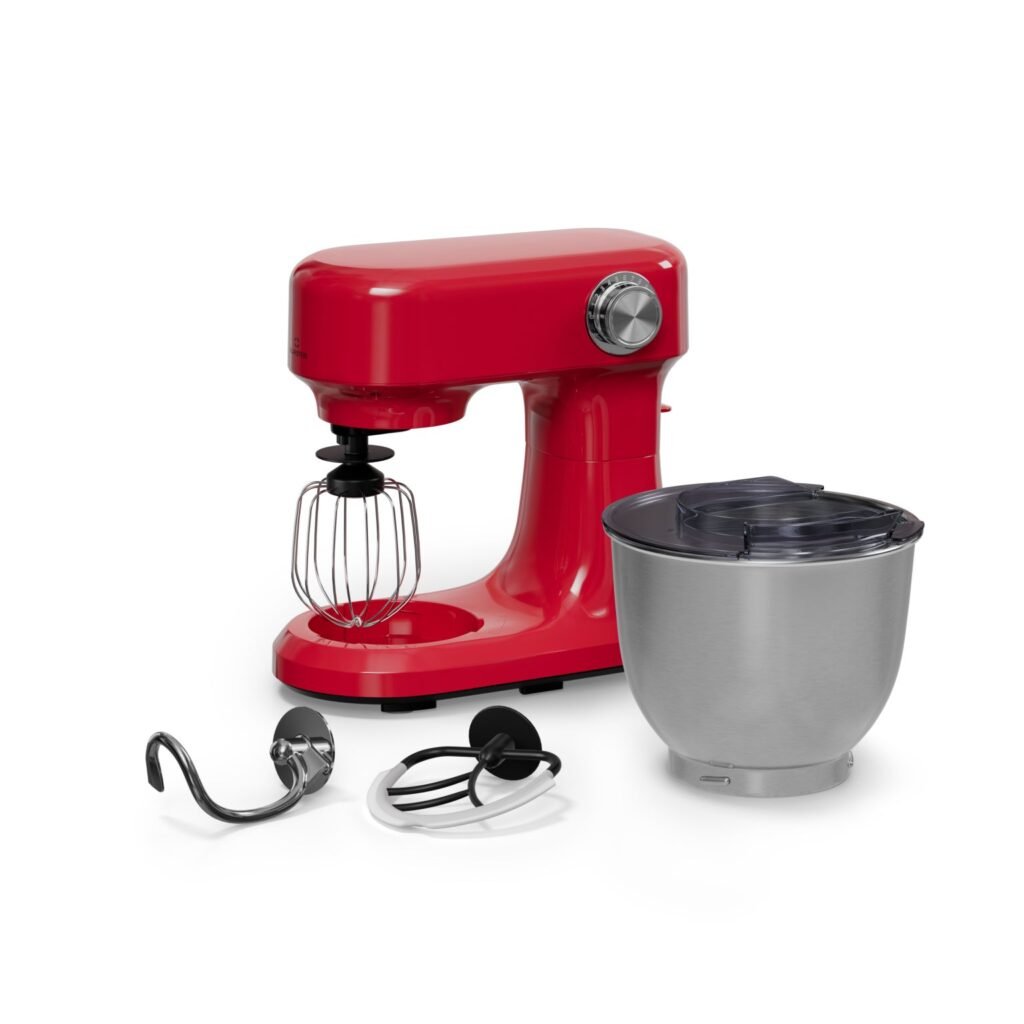
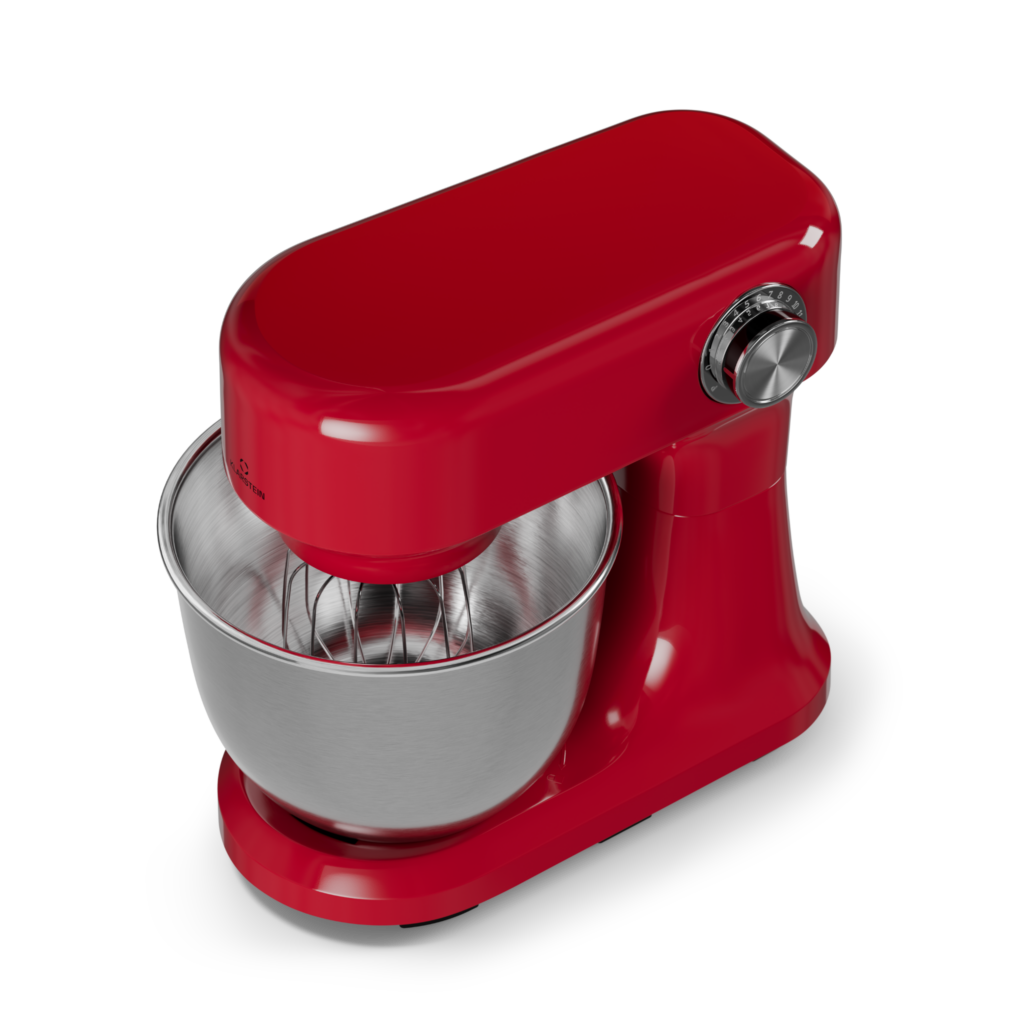
We treated the product’s aesthetic design with the reverence it deserves. Every curve of the vibrant red chassis and every click of the chrome-finished dial was rendered to highlight the fineness of GOBBG’s craftsmanship.
Through a clear breakdown of the attachments—the whisk, the beater, and the dough hook—we transitioned from culinary art to engineering excellence, showcasing the product’s versatility without a single word of fine print.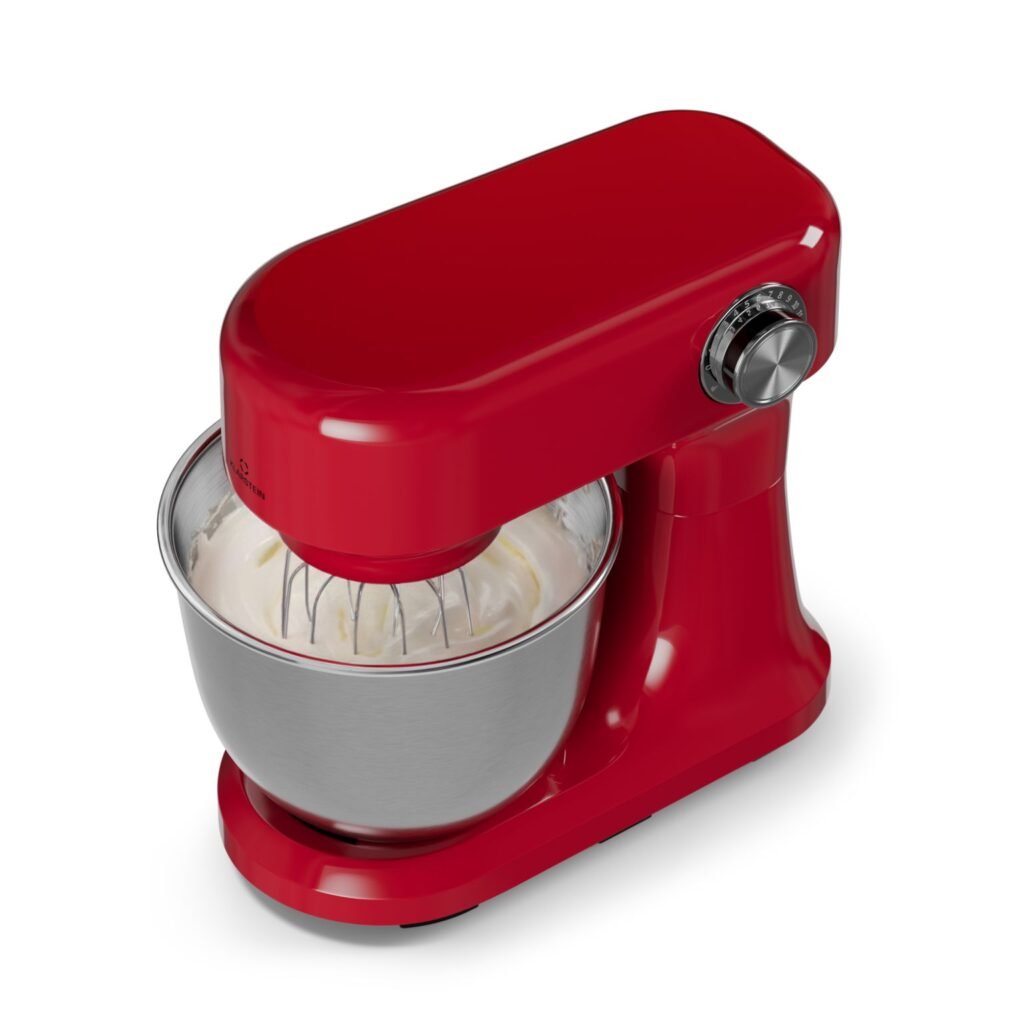
3. Lighting the Protagonist
Using lighting techniques, we accentuated the hyper-reflective surfaces of the mixing bowl and the matte-to-gloss transitions of the body. This isn’t just a 3D model; it is a digital twin that carries the weight and presence of a physical object, demanding center stage in any kitchen.
The Result: Pride in Every Pixel
At House of Blue Beans, we not only believe in creating a great product, but we also have an onus to visualize it even better. For GOBBG, the result is a narrative-driven visual suite that doesn’t just inform—it inspires. We’ve turned manual labor into a visual luxury, ensuring that before a shopper ever touches the product, they’ve already fallen in love with the results..
This is more than rendering. This is the art of the possible.
3D Production & Rendering Pipeline
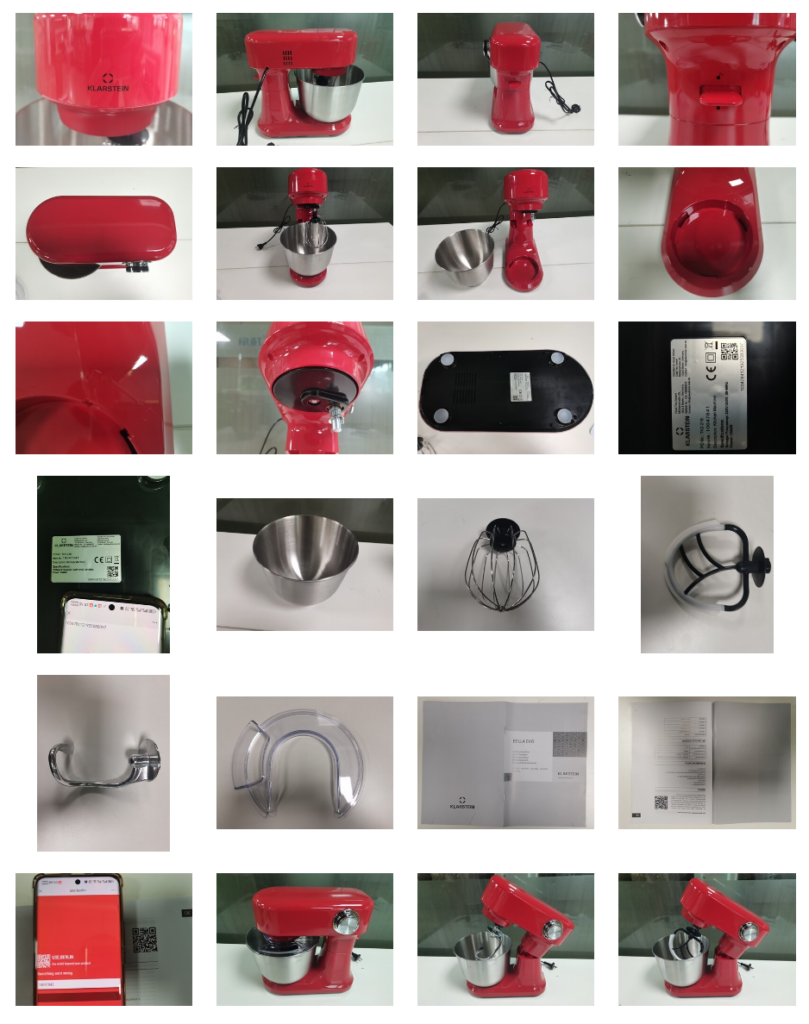
Phase 0: inputs, understanding the product , clarifications.
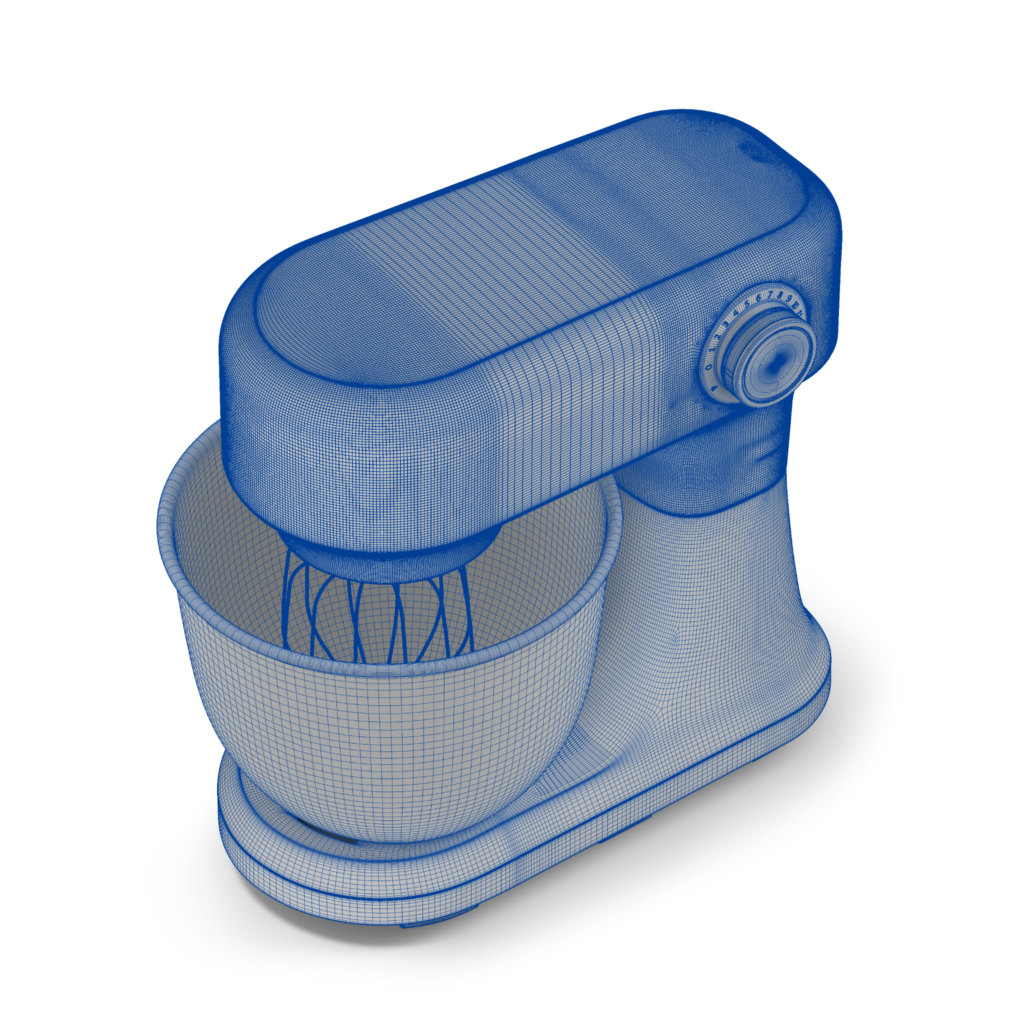
Phase 1: High-Fidelity Wireframe Construction
The initial stage focuses on building a mathematically sound and topologically clean base.
- Mesh Development: We created a high-density wireframe to ensure that all curved surfaces of the stand mixer—particularly the motor head and base—remain smooth in high-resolution rendering.
- Precision Geometry: Every line and vertex was positioned to mirror the product’s physical dimensions, including the intricate details of the whisk attachment.
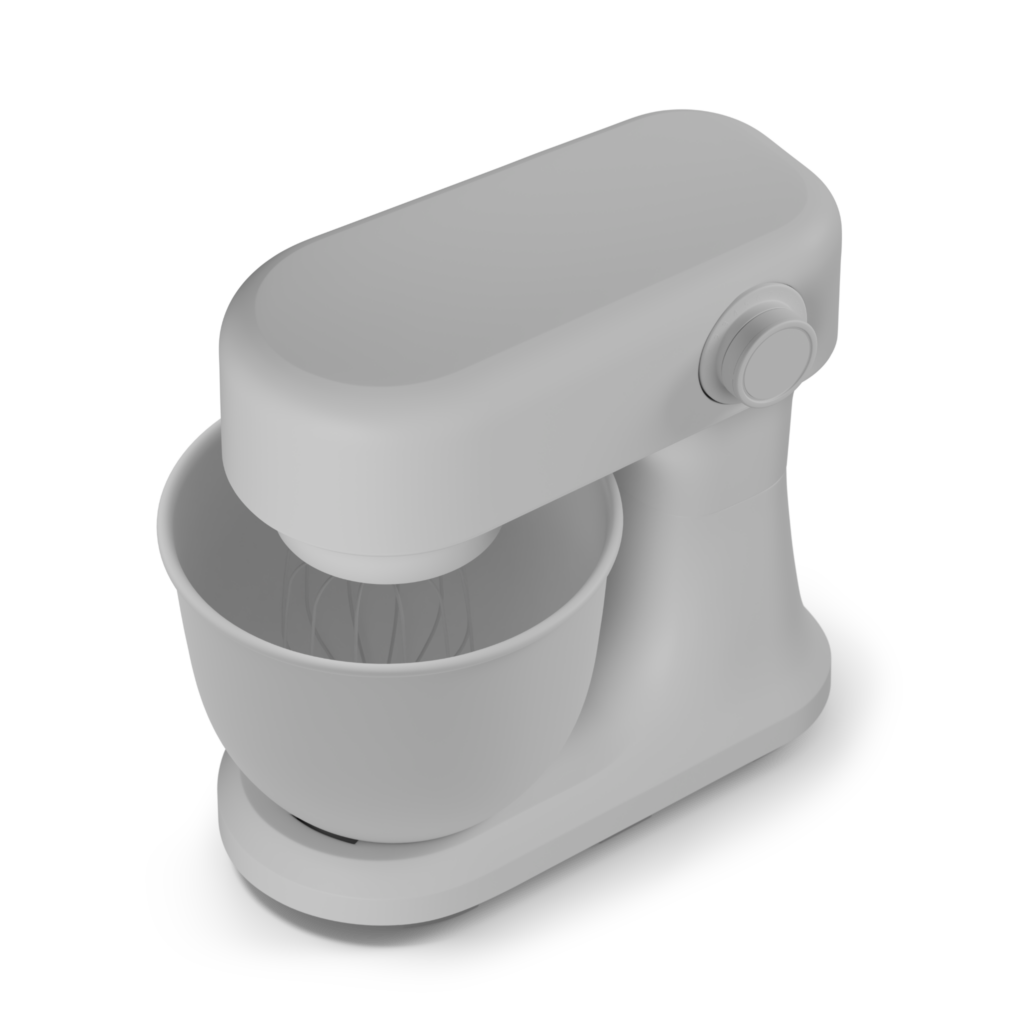
Phase 2: Grayscale & Volume Validation
Before adding color, we evaluate the 3D model in a neutral environment.
- Form Assessment: By applying a matte gray shader, we can analyze how light interacts with the geometry without the distraction of textures.
- Client Input: This is a primary milestone for management to approve the physical shape and proportions of the mixer.
- Effort: Significant time was spent refining the transition between the dial and the main body to ensure a seamless fit.
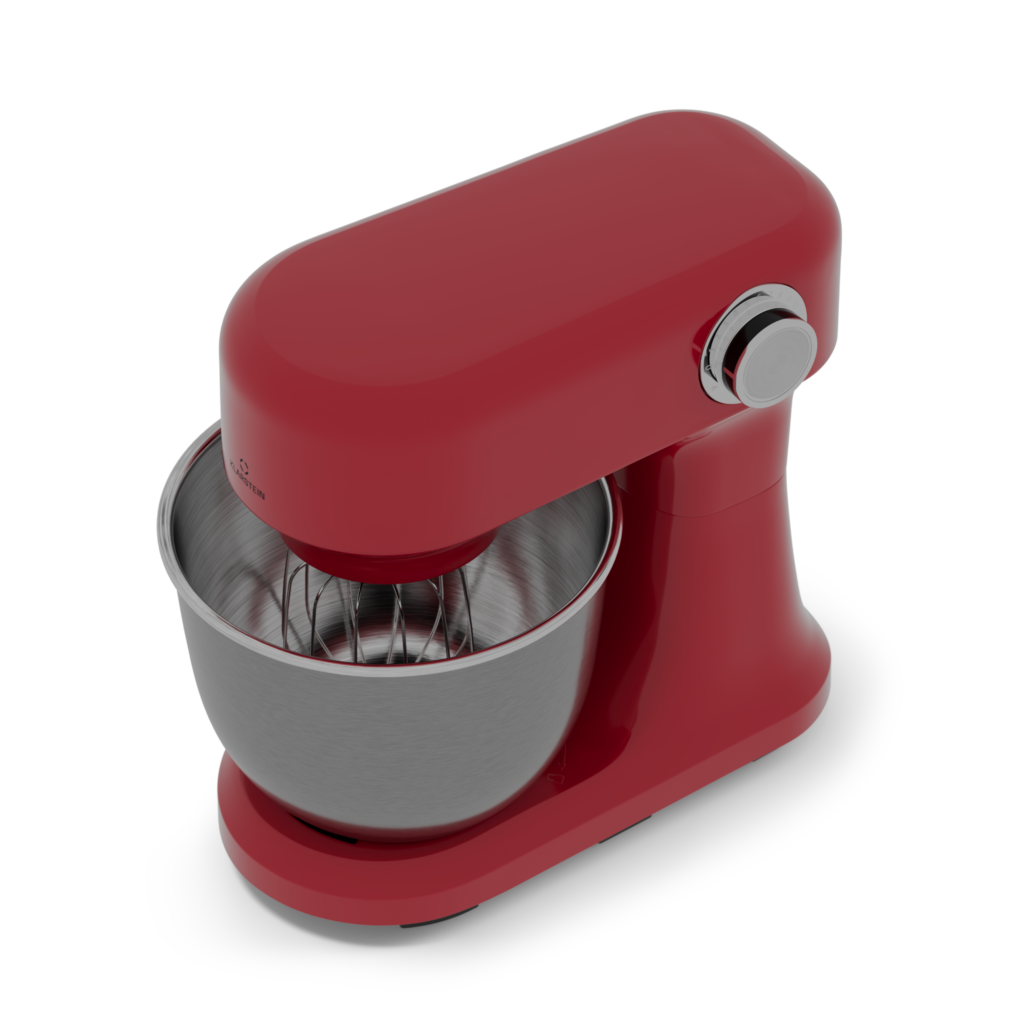
Phase 3: Texture & Material Mapping
In this phase, we define the “feel” of the product by applying realistic materials.
- Surface Definition: We applied a high-gloss “Candy Apple Red” finish to the body and a brushed stainless steel texture to the mixing bowl.
- Branding Integration: The logo was digitally etched into the motor head to ensure it aligns with brand identity standards.
- Refinement: Early material tests were conducted to ensure the whisk wires reflected light correctly against the inner bowl.
Phase 4: Final High-Resolution Render
The final stage involves advanced lighting and “post-processing” to create a photorealistic marketing asset.
- Lighting Environment: We used a multi-point studio lighting setup to create “hero highlights” along the top curve and edges, emphasizing the product’s premium build.
- Detail Finishing: Final adjustments were made to the dial numbering and the subtle reflections on the base to ensure the image is indistinguishable from a professional photograph.
- Quality Check: The final output was rendered at a high DPI (dots per inch) to ensure it remains crisp even when used in large-scale print or web banners.
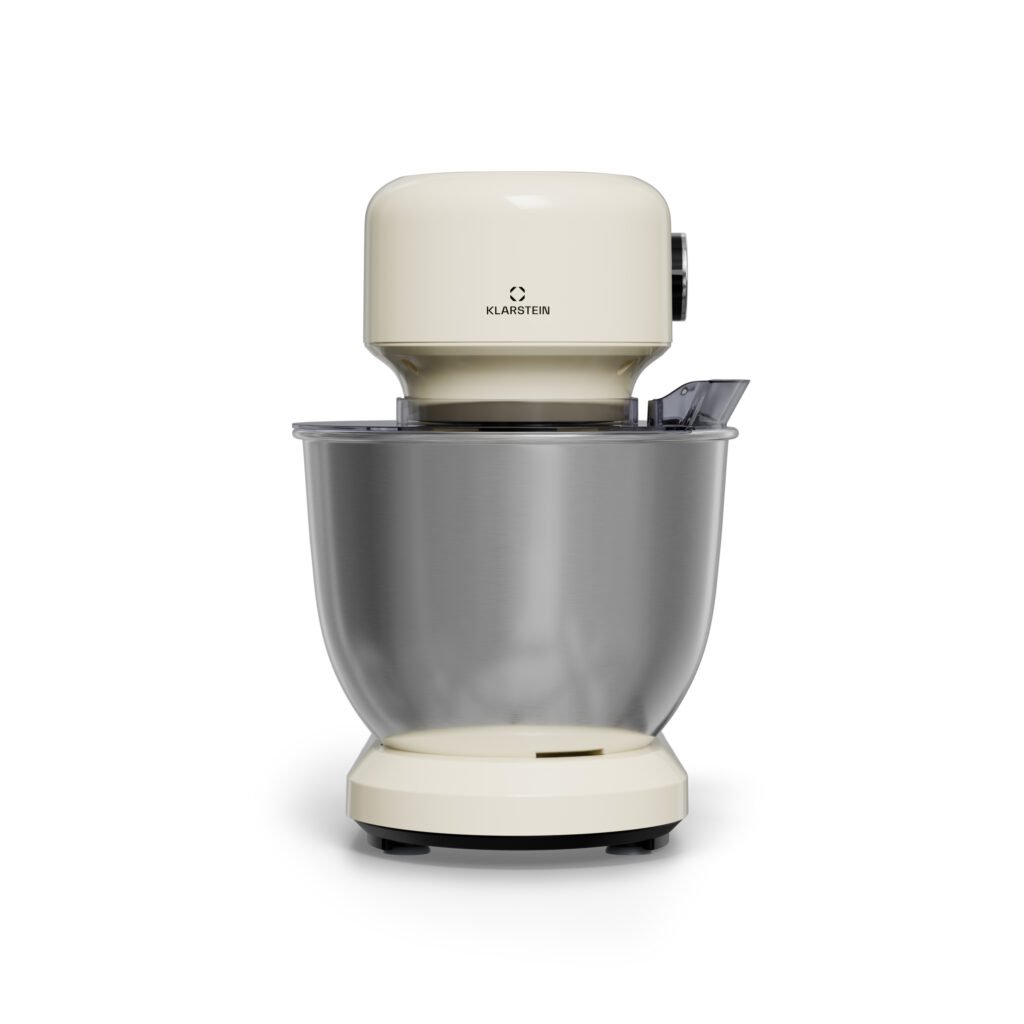
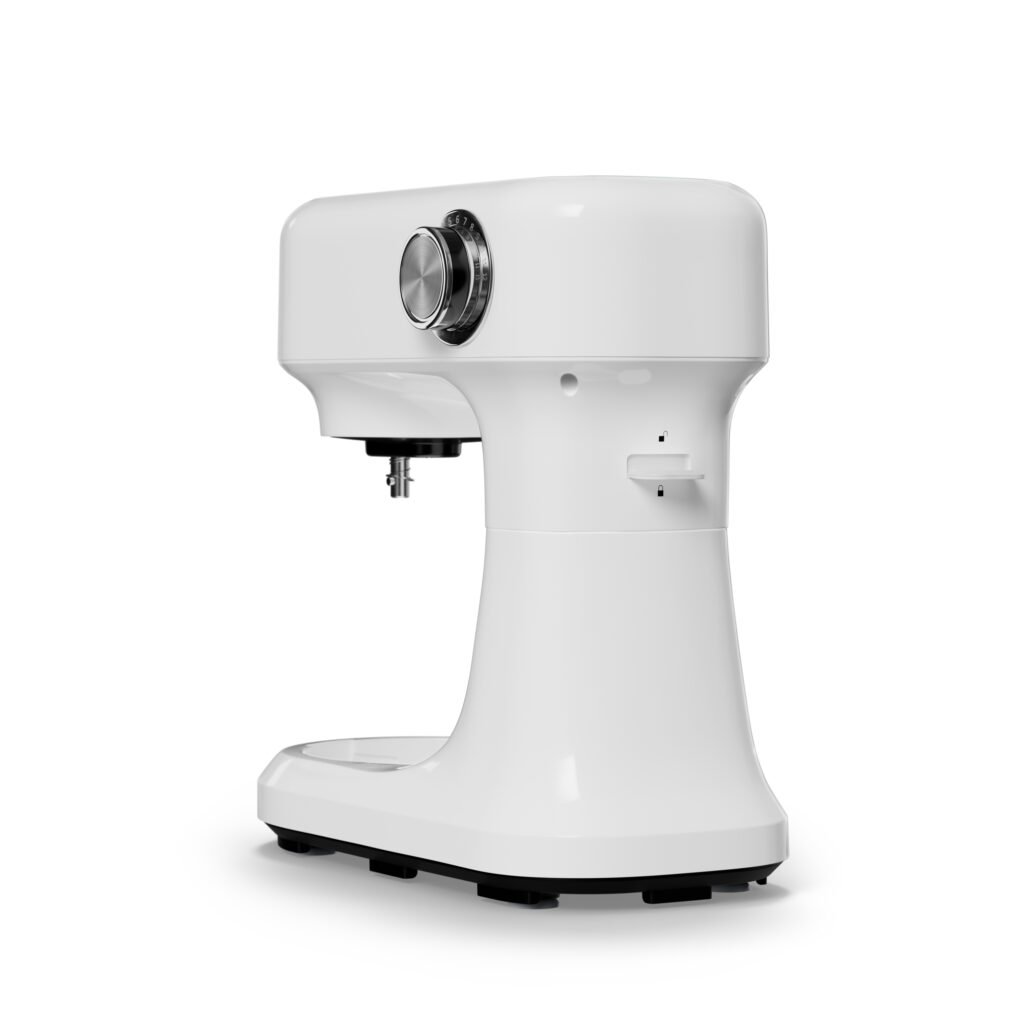
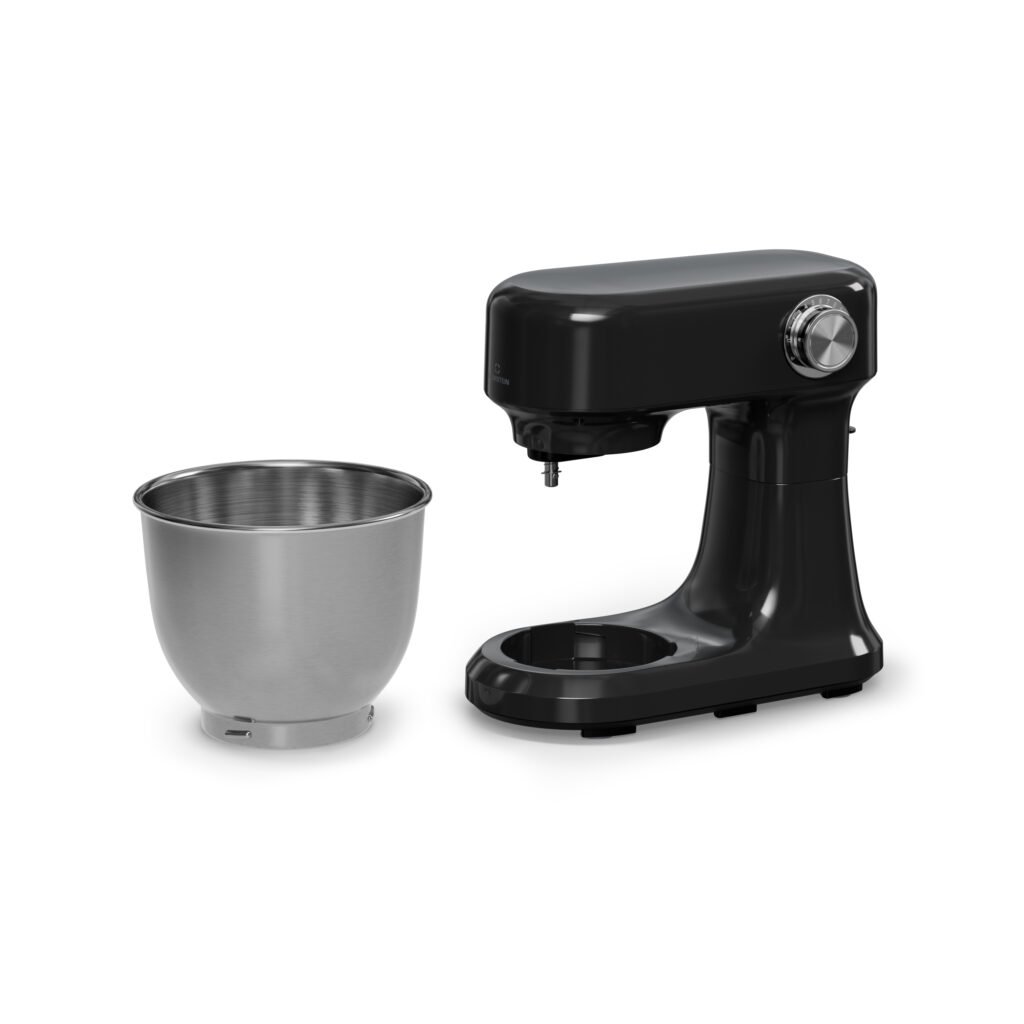
Colour Variations
Founder’s Note: Quenching the Shopper’s Thirst with Hyperrealism
“When showcasing a product like a food mixer, the industry falsely assumes the audience already understands its full utility. We refuse to force a shopper to scroll through dry documentation or sterile FAQs to grasp a product’s value. Instead, we engineer narrative-driven, hyperrealistic visuals designed to completely quench their thirst for certainty by proving the exact, tangible output—the precise softness of kneaded dough, the tactile coarseness of buttercream, and the flawless fluff of whipped cream. By immediately answering the shopper’s desire to eliminate manual effort and pairing these visceral use cases with a clear, authoritative breakdown of the hardware’s uncompromising fineness, we eliminate all buyer doubt. We do not just show them the machine; we prove the exact high-quality result it dictates.”
— Keshav Vijayaraghavan, Founder, House of Blue Beans.