
What is a Lifestyle Image
A lifestyle photograph or lifestyle image is a visual that showcases a product in the environment or space in which it is meant to be used, bringing out its true use case and value proposition, thereby telling its story.
A product lifestyle image displays a product within a curated, real-life setting, designed to demonstrate how it is used, reveal its scale, and help the viewer emotionally connect with the experience of owning it. It shifts the focus from what the product is (features and specs) to what life looks like with the product (benefits and feelings). A study published by the APA has established that the more attractive a product and its lifestyle appear to customers, the higher the conversion rate. And that, images are far more likely to elicit an emotional response than words.
While the terms lifestyle images, product lifestyle images, lifestyle photographs, lifestyle shots or lifestyle renders are commonly used, below are some industry-specific terminologies that denote the same:
- In-Situ Images – Furniture, Rugs, Wall Art (Static items)
- In-Context Images – Electronics, Accessories (Scale reference)
- Environmental Images – Camping gear, Cars, Raincoats
- Application Images – Skincare, Makeup, DIY Tools
- Editorial Images – Fashion, Perfume, High-end Branding
A 2018 experiment demonstrated that contextual images create imagery fluency, meaning consumers find it easier to form mental images of the product. This fluency led to higher product evaluations and purchase intentions.
The importance of lifestyle images could be understood from the example below.
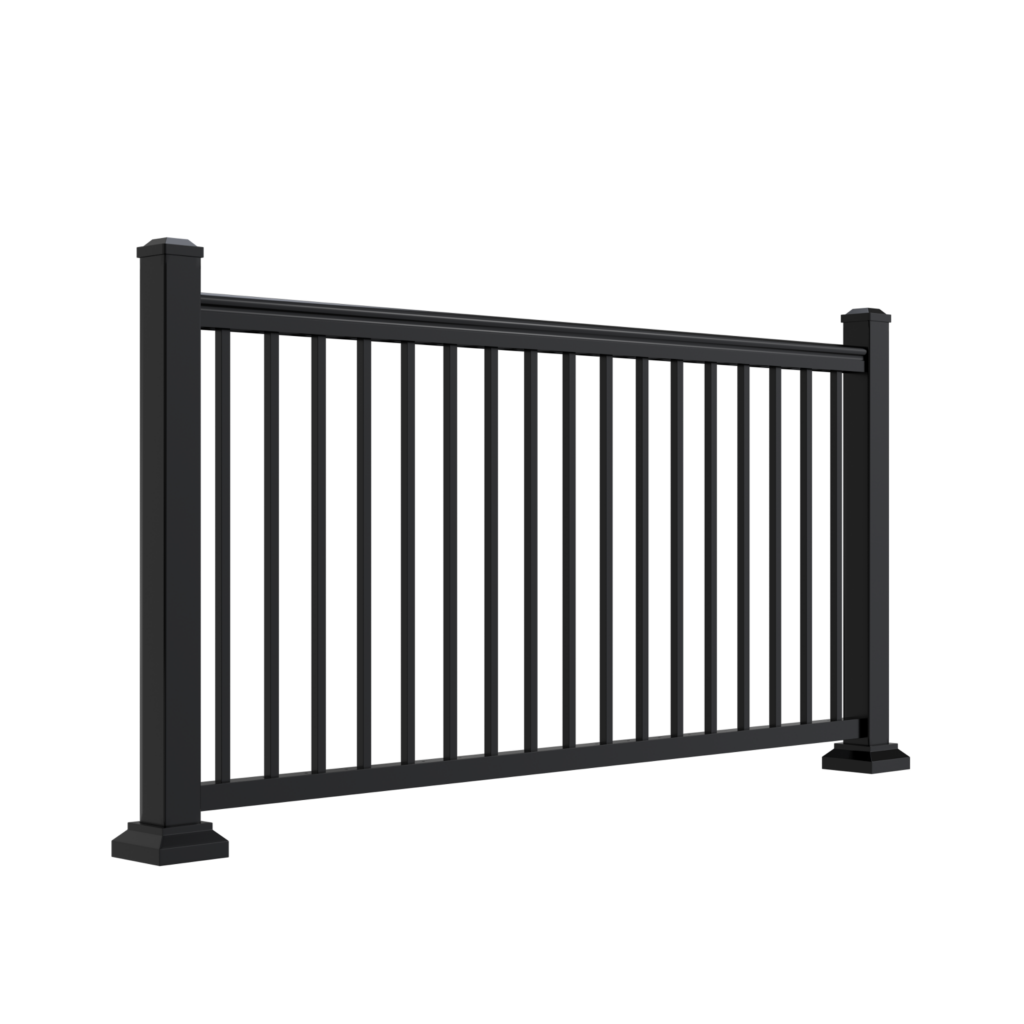
Silo image of a metal deck railing on a white background. This helps us understand what exactly will be provided for the purchase without any confusion. However, it fails to explain how the product can be used or in what context this product creates value.
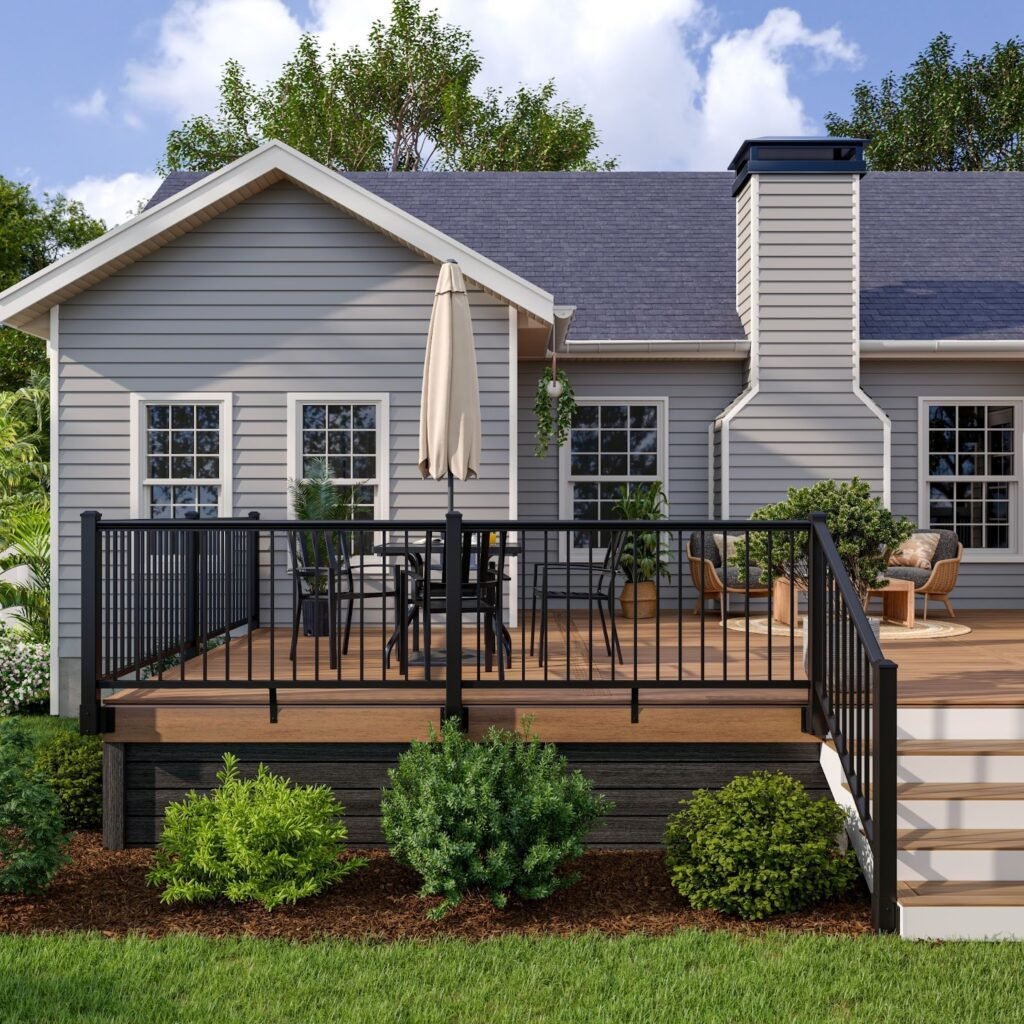
The lifestyle image shows how well the railing fits in the customer’s space. It establishes how tall the railing is, thereby assuring safety. The image also conveys that the railing does not block the view from either side, enhancing both visibility and aesthetics.
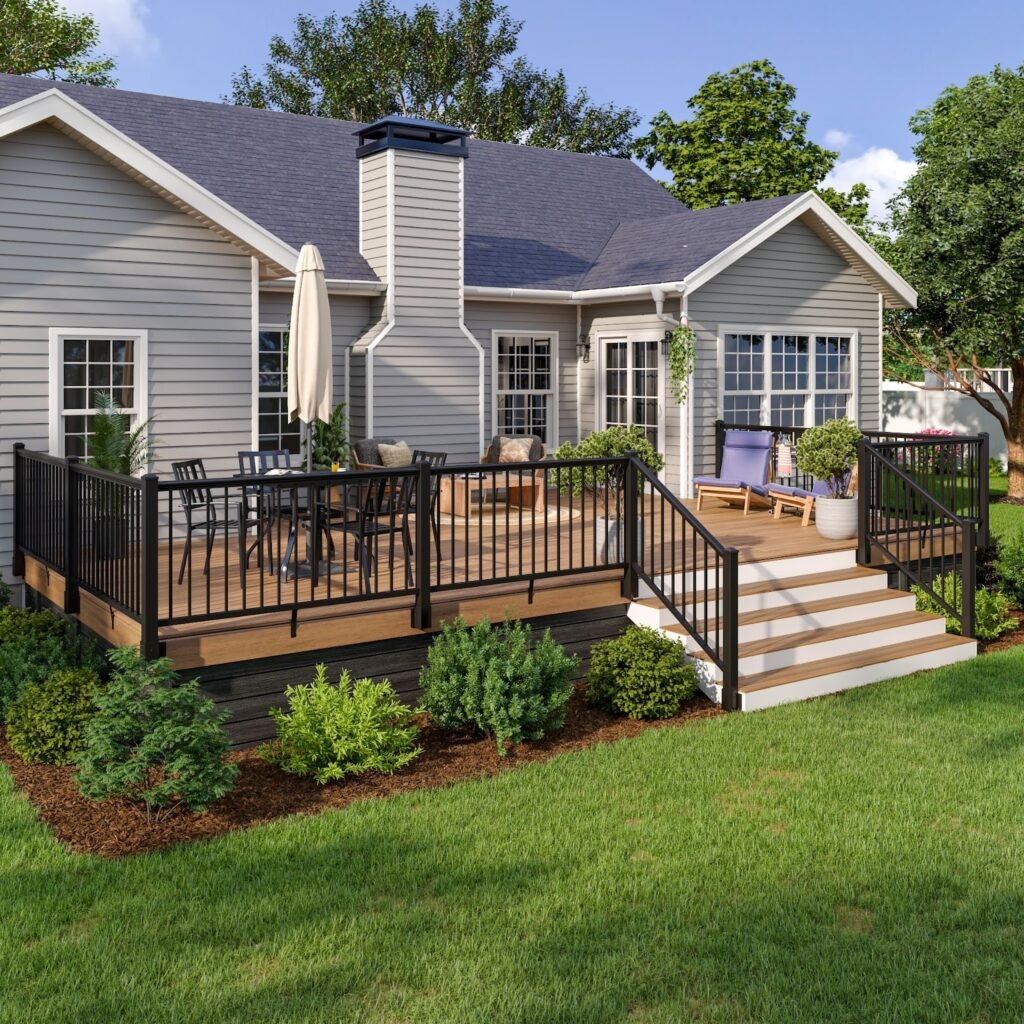
This lifestyle image is a wide-angle shot at a 45-degree camera angle, offering great perspective and depth of how the deck railing enhances the overall look and feel of the house. This provides a strong emotional connection with the product and evokes a desire to buy.
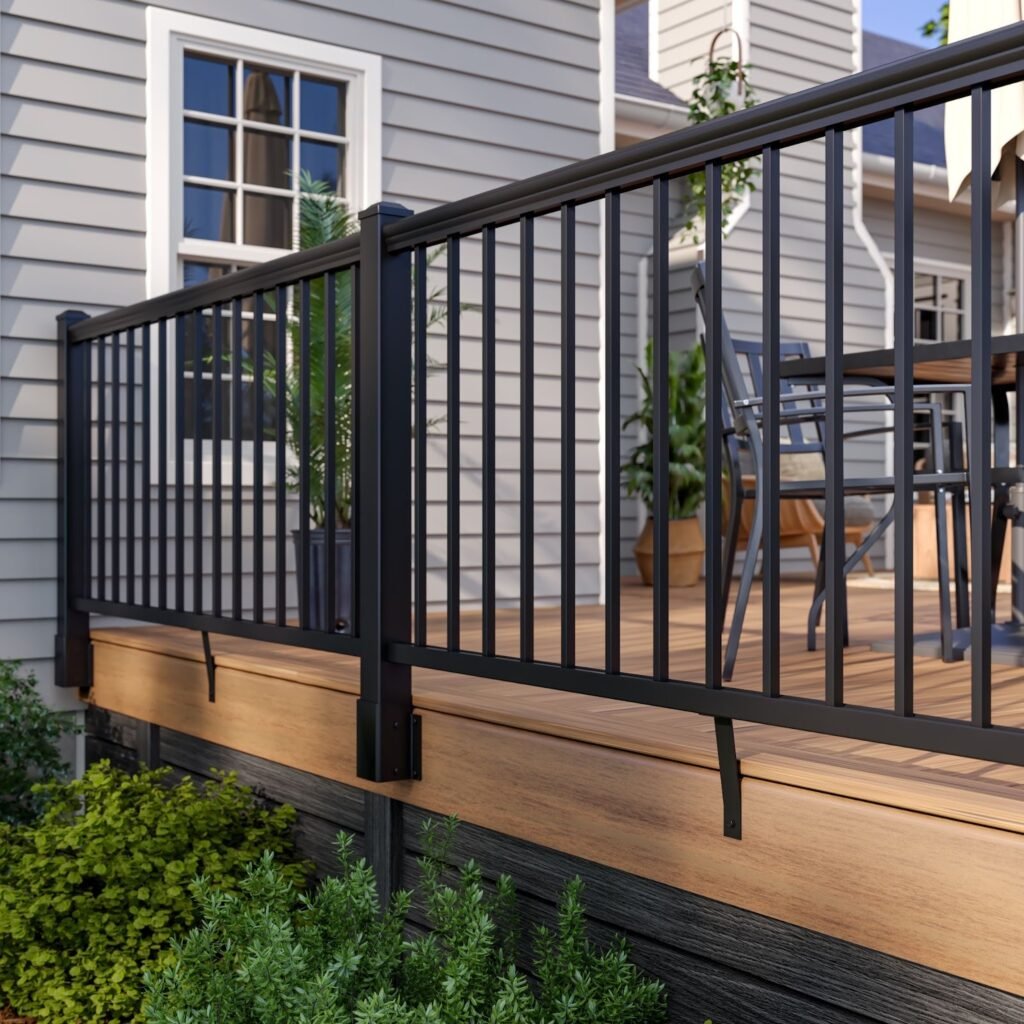
A close-up lifestyle shot showing how well the railing is fixed to the deck, implying safety.. This also conveys that the railings are simple and easy to assemble, assuring a hassle-free product experience.
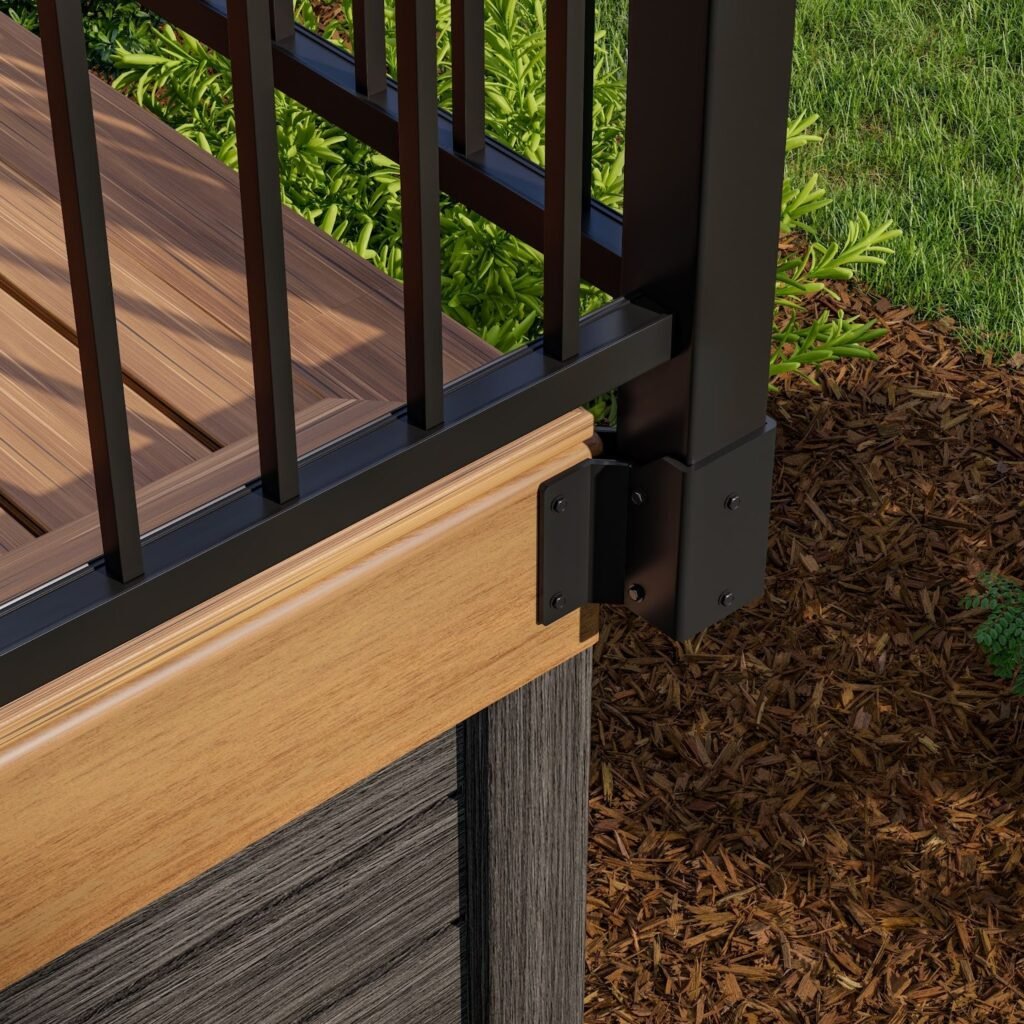
A tight close-up of the mounting bracket showing how robustly the railing is fixed to the deck. This directly answers any ambiguities regarding the strength of the railing assembly, making the shopper trust in the safety of the product.
The above images are excellent examples of communicating the lifestyle associated with a product. They convey the following information:
- Value proposition and context of usage: The above lifestyle image simply helps the viewer understand where this product is used – in this case, it is used to enclose an outdoor deck. The value is to secure an elevated deck space and ensure adults and kids do not fall off the deck. The fundamental value of the product is safety.
- Aesthetics: The railing gives a modern farmhouse or transitional aesthetic feel, allowing customers to visualize it in their own specific home style.
- Material Harmony: The metal railing is used for a raised deck. It contrasts beautifully with natural wood decking and grey siding.
- The View: It proves to the homeowner that this product preserves their view. The thin balusters allow you to see through the railing to the yard, which is a major selling point.
- Trust: The robust mounting bracket at the base assures the buyer of safety.
Table of Contents
- Key Insights at a Glance
- The Purpose of Creating a Lifestyle Image
- The Foundation for Creating an Impactful Lifestyle Image
- Breaking Down the Process of Lifestyle Image Creation with an Example
- Best Practices to Keep in Mind while Creating Lifestyle Images
- How 3D Rendering is Best Suited for Creating Lifestyle Images
- What is the ROI in High Quality Lifestyle Imagery?
Key Insights at a Glance
- A lifestyle image visualises the product in the context, space and environment of its us.
- Lifestyle images answer critical buyer questions regarding scale, functionality, and specific use cases.
- Evoke a desire to buy rather than just displaying, by visualising an enhanced lifestyle and creating an emotional connection.
- Impactful lifestyle images are built on foundational insights on the problem/need addressed by the product, product’s value propositions, target audience and its use cases.
- Partner with a leading visualisation partner like House of Blue Beans to create high performing lifestyle images for your product.
The Purpose of Creating a Lifestyle Image
The purpose of creating a lifestyle image is to provide as much context as possible to the end consumer about how the product can enhance or add value to a consumer’s life.
In today’s digital age, a shopper has access to infinite options at the click of a button. We understand the effort and passion that goes into sourcing or designing the ‘right product’ that you believe is the answer to a consumer’s burning need or problem. Your best shot at communicating that value proposition is to create a good lifestyle image. Showcasing your product in the right context can go a long way in creating an instant connection with the shopper.
It is important to break down the purpose of the lifestyle image into answering basic questions that every shopper asks when making a purchase decision. Below is a framework of questions that can help you create the right set of lifestyle visuals.
1. Does the product really solve my problem?
Every shopper browses through e-commerce catalogs to find an answer to the primary question – “Does this product really solve my problem?” This question is answered more comprehensively through a lifestyle image. In the example below, it is essential to show that the garden hose is capable of watering plants.
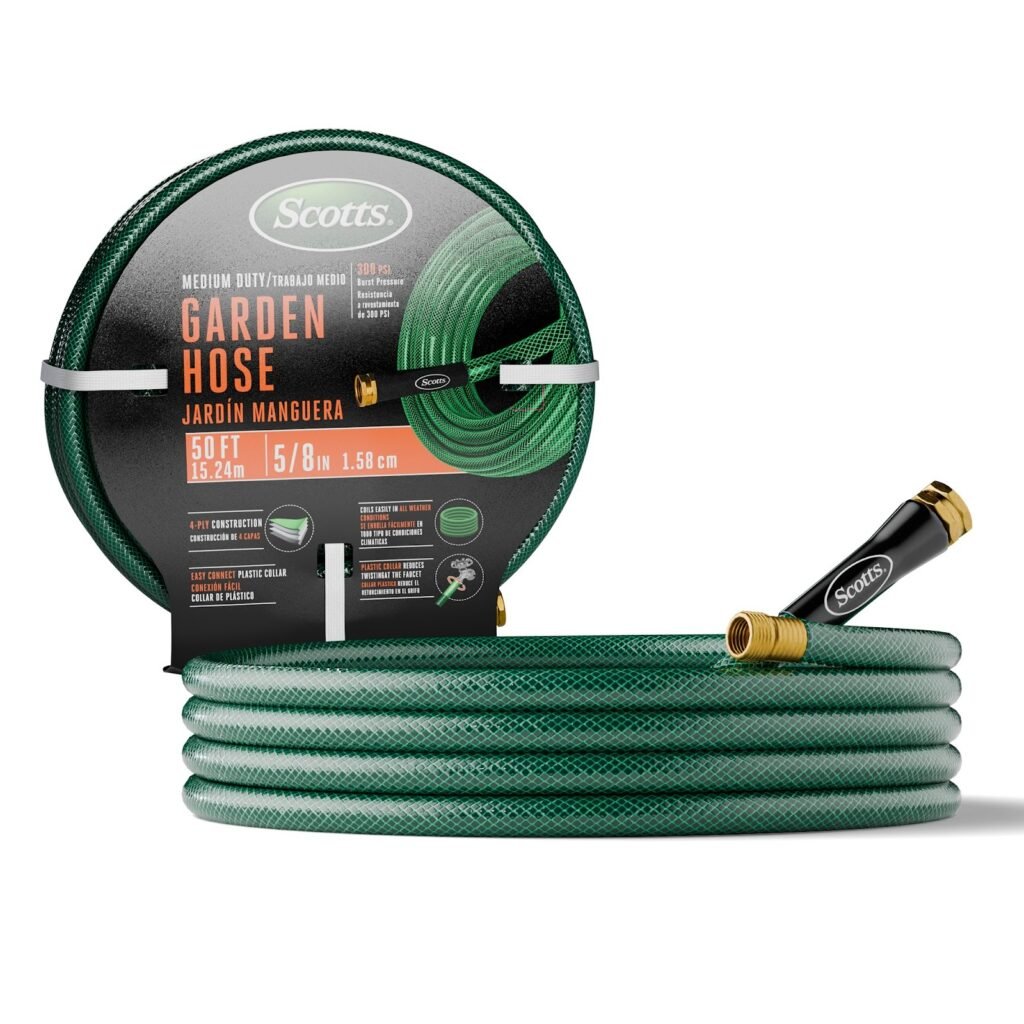
A silo image of a garden hose shows the product with great clarity and accuracy, but the image still lacks the visual and emotional appeal of a lifestyle image, as shown below.

Lifestyle image showing the garden hose in use – When the hose is shown being used to water plants, any shopper searching for a garden hose would instantly feel that this product solves their problem. This immediately makes the product relevant and desirable.
2. How big or small is the product?
How big or small is the product? A dimension image that calls out the length, breadth and height of the product may seem to be a solution, but seldom does this really help in answering the size question.
As per data by Baymard, 42% of users will attempt to gauge the overall scale and size of a product from its product images. When it’s difficult to judge scale from product images, users have to work needlessly hard to determine product sizes, often leading to wrong size perceptions and even discarding perfectly relevant products.
It is important to show the product in a real-world context that is relatable to the target audience, with a common reference point for size.
In the example below, the primary product image showcases the product very accurately, but fails to tell the shopper how big the product is. Once we place this in a lifestyle environment, we are able to get an idea of how big this product is and how much space would be required to place the product. This also gives a sense to the shopper as to how many people can be housed by it.
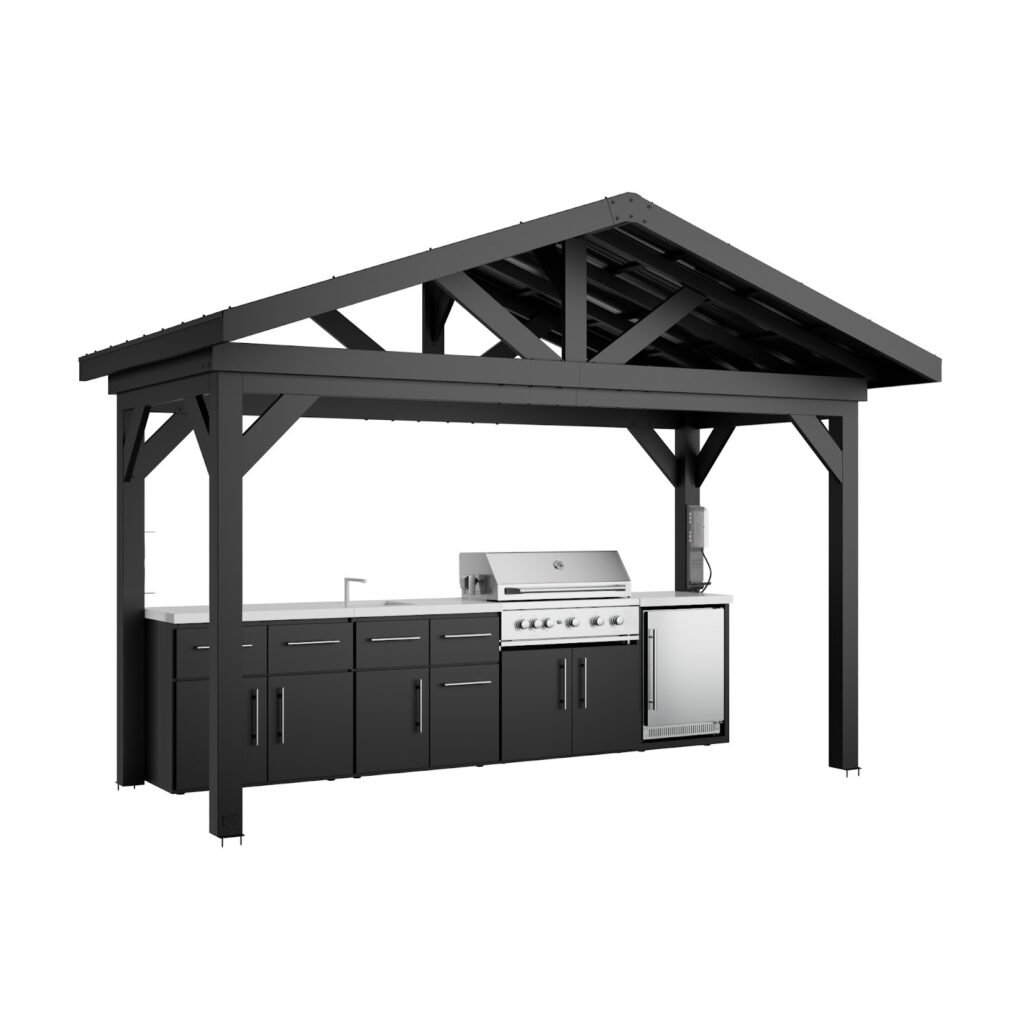
This silo image with a white background shows an outdoor kitchen. While the structure of the setup is clear from the visual, we have no idea of the scale of the kitchen setup- the height, the width, the space inside, etc. It does not give the viewer the sense or emotion of owning the kitchen and its associated lifestyle.
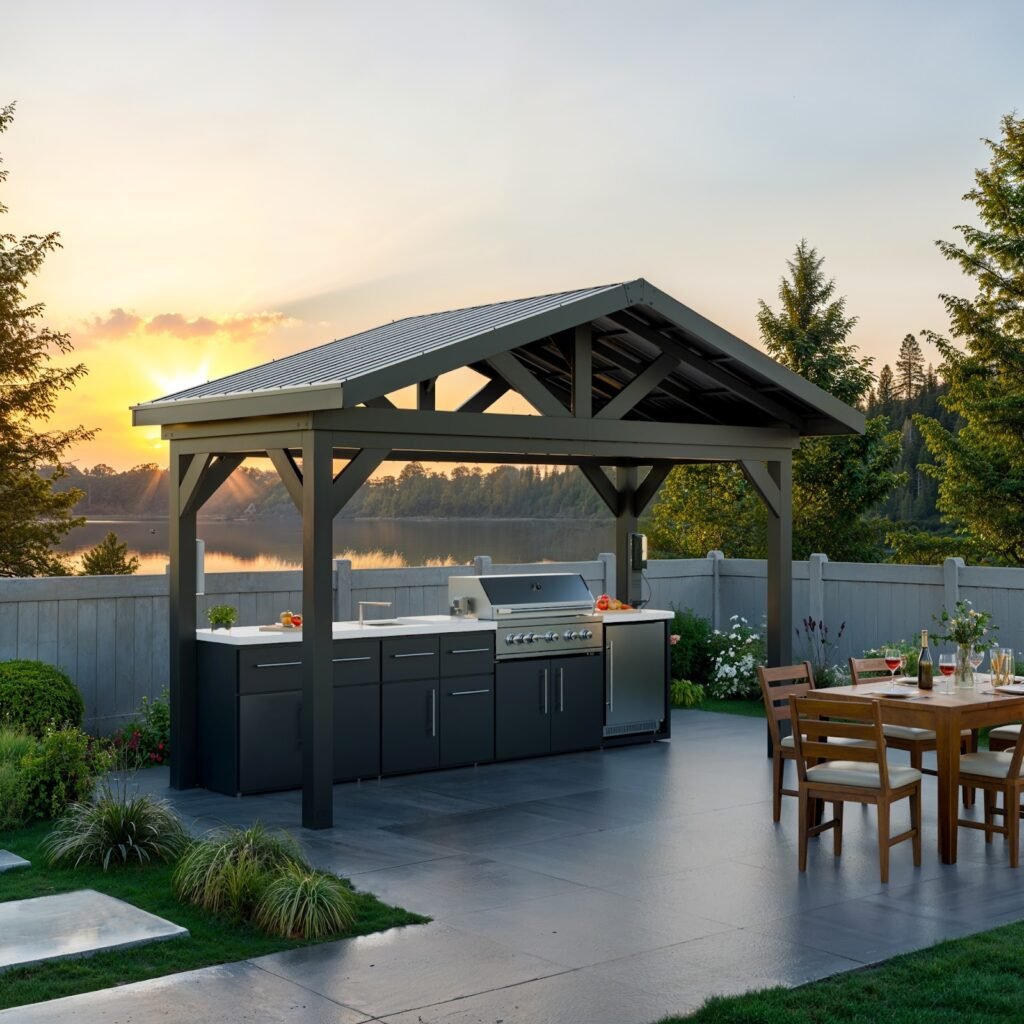
The lifestyle image above, even with a small glance, comprehensively conveys the size and proportions of the outdoor kitchen. By placing the product in its intended environment, the image gives the shopper the experience of owning the lifestyle that the product brings. The backyard environment, in the evening sunlight, carries the viewer directly into the product space, offering an immersive buying experience.3
3. Is the product suitable for my use case?
No matter how common the use case may be, every shopper believes that their use case is unique. ‘Seeing is believing’ for every shopper. Showing the product in use cases that the customer is expected to use is key to building trust and going closer to the purchase decision.
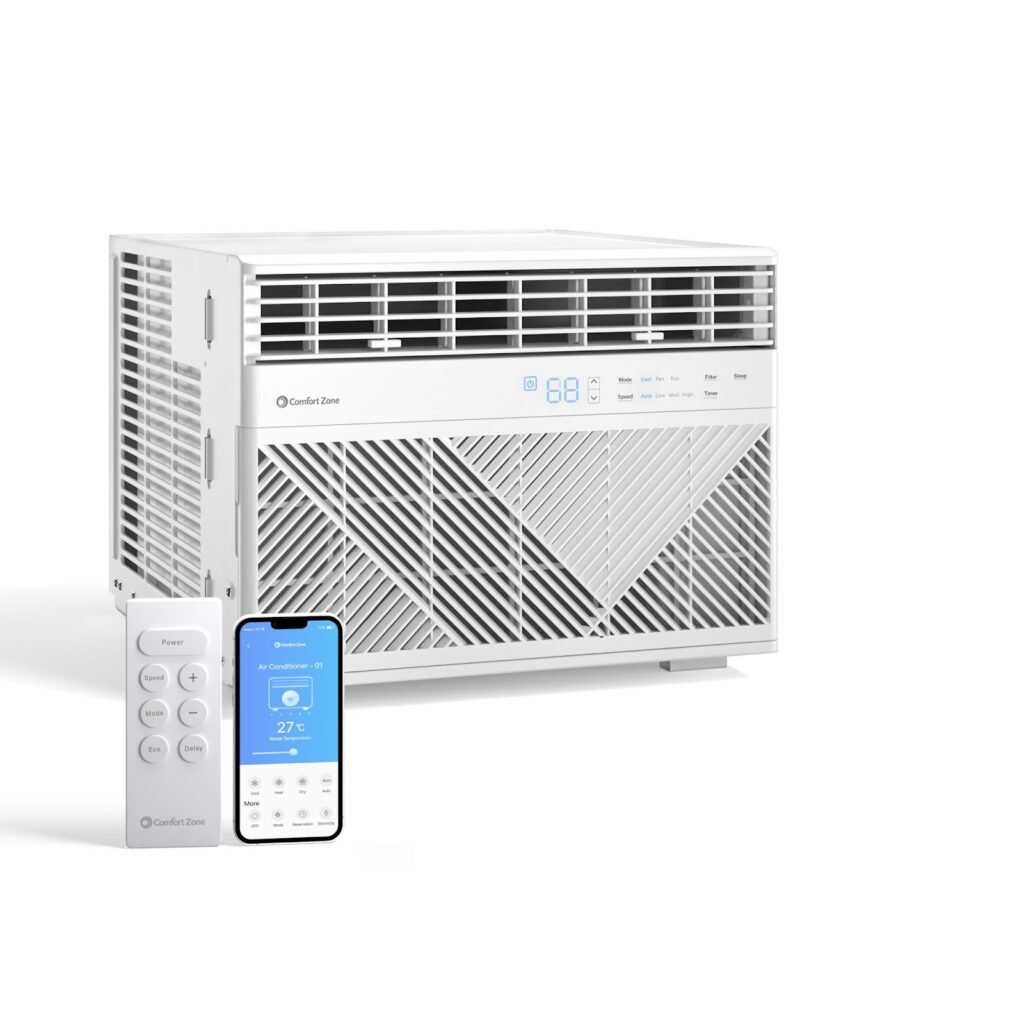
A silo image of an air conditioner. While this visual shows the product, it lacks the desire to buy or relatability. Lifestyle images are made to bring out the use cases of the AC. This makes the viewer relate to their own use case and understand the product value.
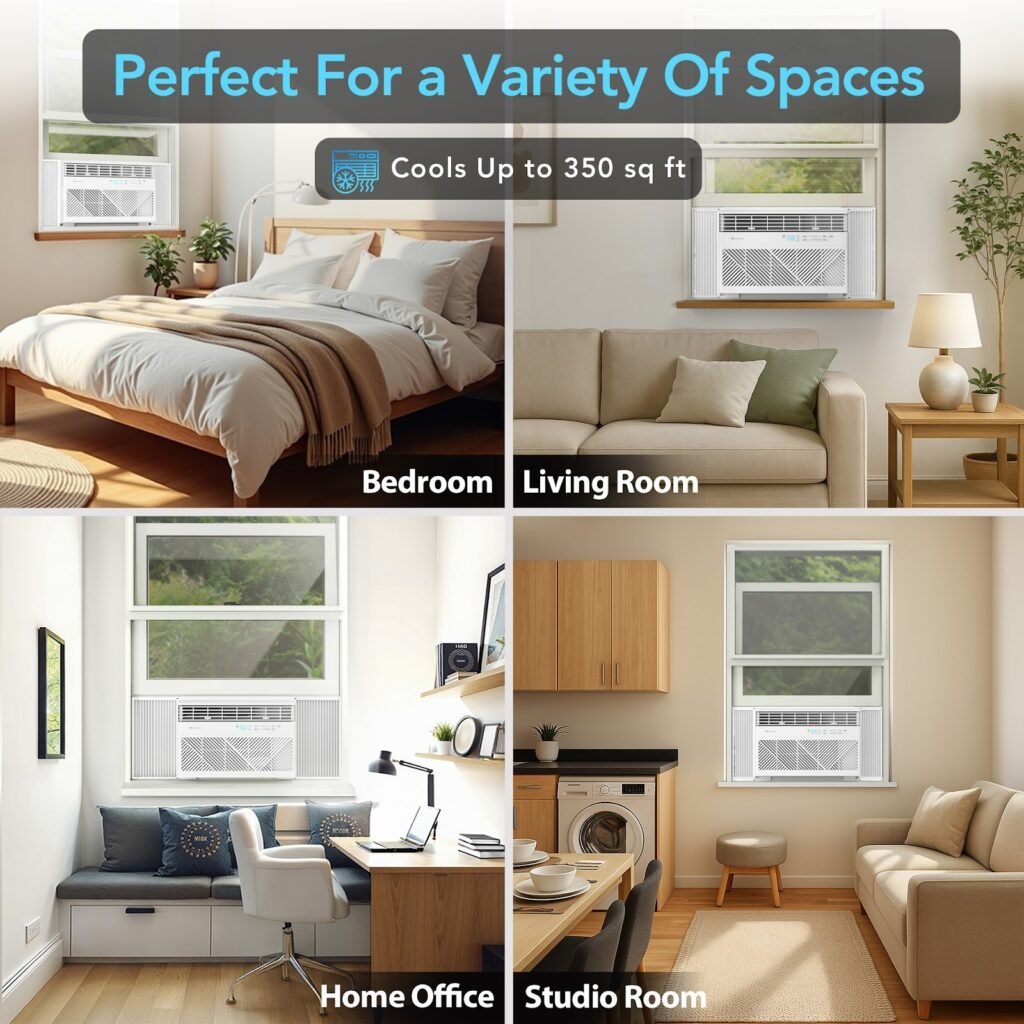
The lifestyle image shows the air conditioner being used in different spaces. The image portrays how compact and easy to fit the AC is and how much space it can effectively cool. The viewer can also quickly relate to how the AC can make any living space much more comfortable by maintaining the required temperature.
4. Evoking a desire to buy
“Is the buy really worth the spend?”
At HOBB, we believe that the visuals have failed to do their job if the shopper reaches the point of asking this question in the buyer journey.
A well-designed set of visuals that ‘evokes a desire to buy’ will raise a very different question – ‘How do I make ends meet to buy this product?’ To create this level of desirability, you need to create inspirational visuals that help the customer visualise an enhanced lifestyle that has immeasurable value. Below are examples of such images that truly demonstrate the elevated lifestyle associated with the product.
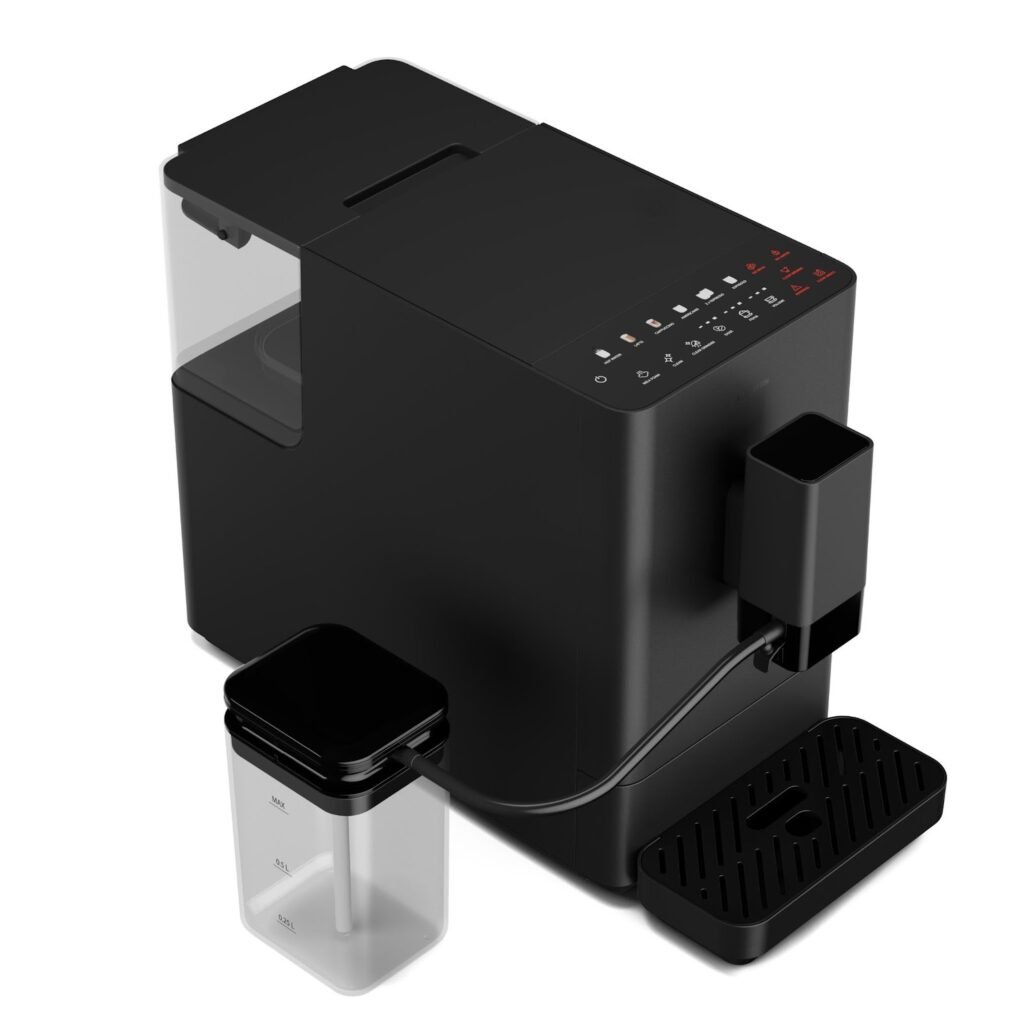
Silo image of a coffee machine on a white background – clearly conveys the product’s features and looks. But this image alone is insufficient to convince a potential buyer to purchase the product. Lifestyle images below solve this problem.
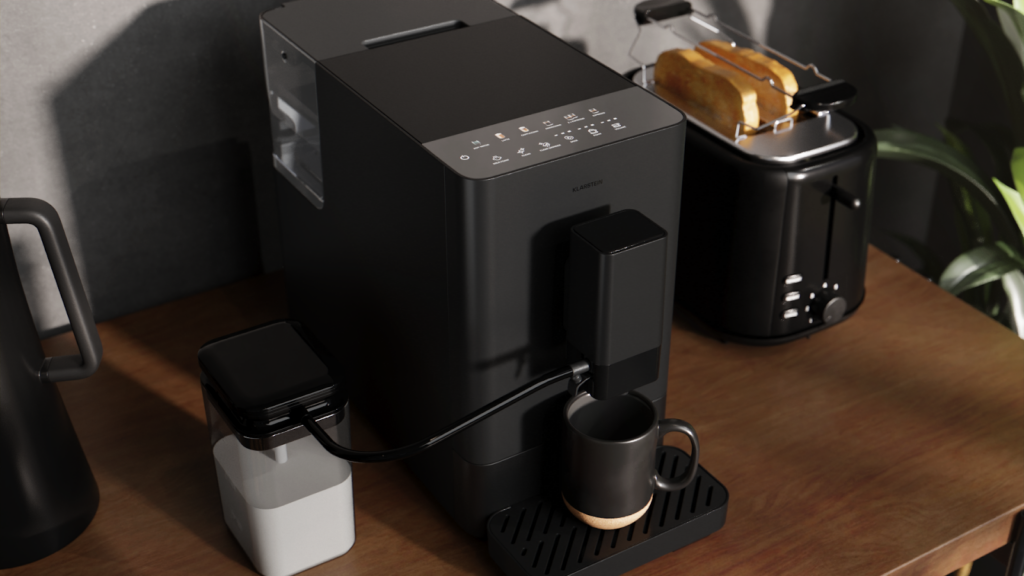
The staging of the product by placing it on a wooden kitchen table next to a toaster helps the viewer easily imagine the product in their own home setup. The lighting and shadows mimic the early morning light streaming into the kitchen and illuminating the space. The sophisticated black and grey color of the product is visually appealing with the subtle sheen.
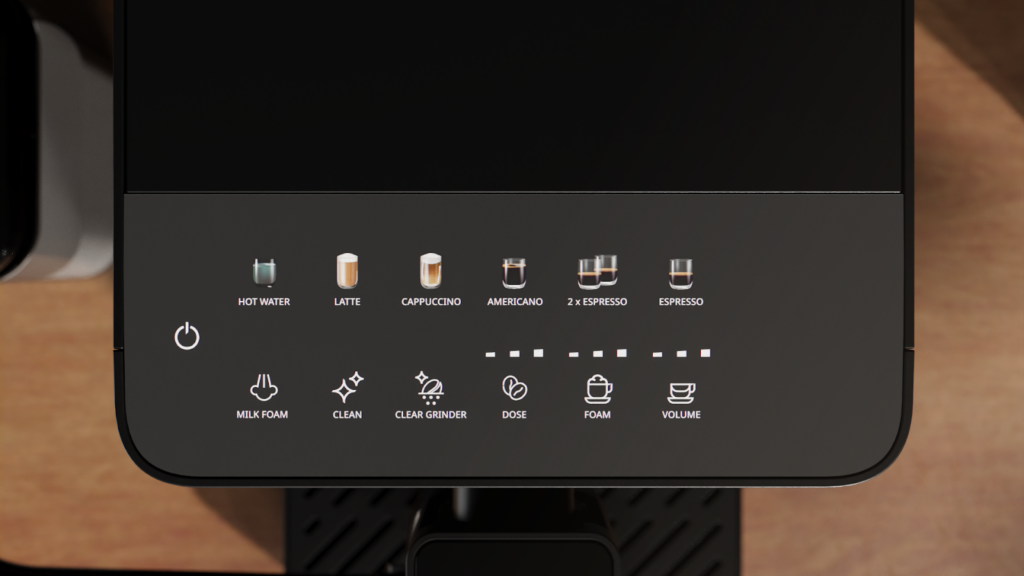
The surface textures are rendered hyperrealistically. This gives the fingertips the ‘matt’ finish of the body and the feel of touching the icons on the top just by seeing the visuals. These subtle tactical cues are essential for the buyer to create a relationship with the product.
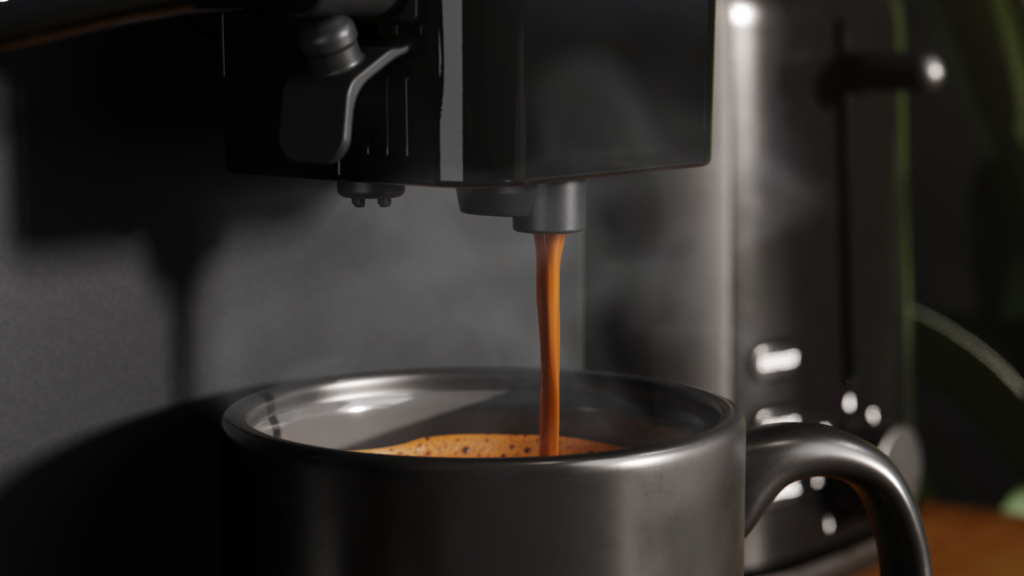
The close-up shot of the coffee stream conveys the freshness and energy associated with coffee. The rich color of the coffee and the mild steam rising from the mug trigger a strong sensory response; one can almost smell the coffee.
The lifestyle images of the coffee maker are finely crafted to evoke a desire to buy. All of the above factors together give the shopper the pleasant, peaceful and premium experience of owning the coffee machine just by glancing at the visuals.
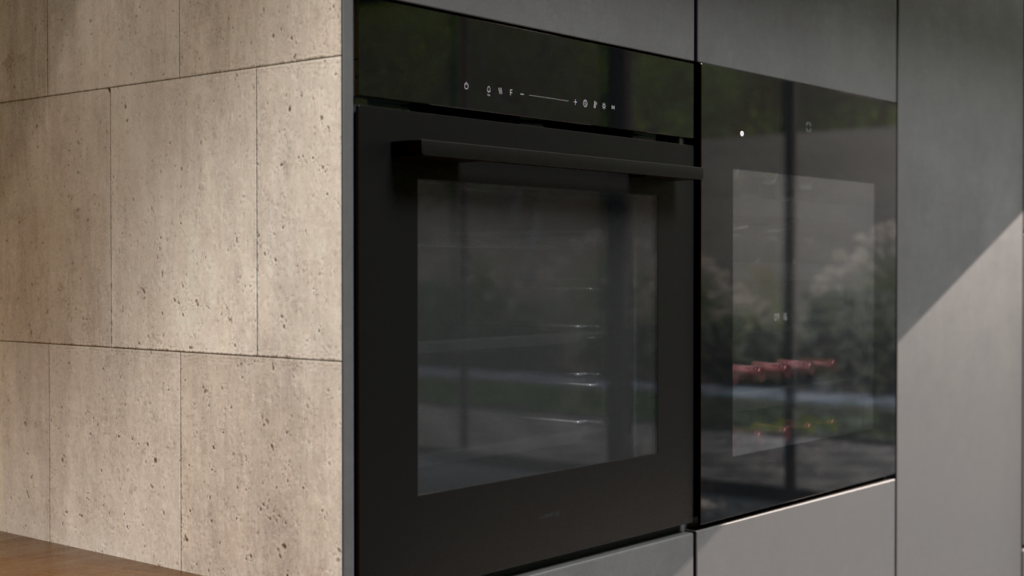
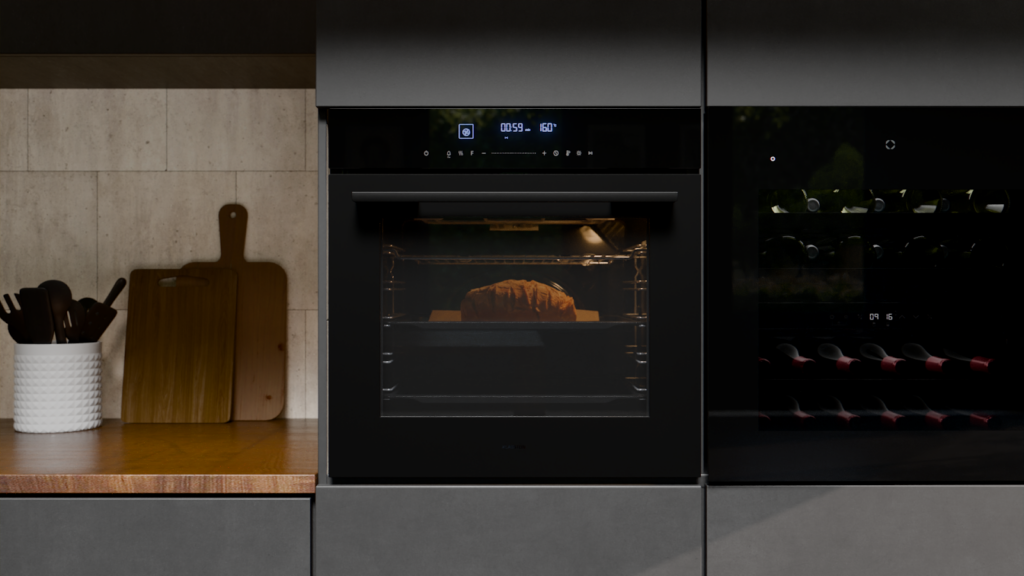
Lifestyle images showing oven and wine fridge. The images show how the oven and the fridge fit seamlessly in a kitchen space. The visual gives a modern and sleek look. The placement of the oven and fridge (hot and cold) side by side gives a strong sensory experience and portrays convenience and comfort.
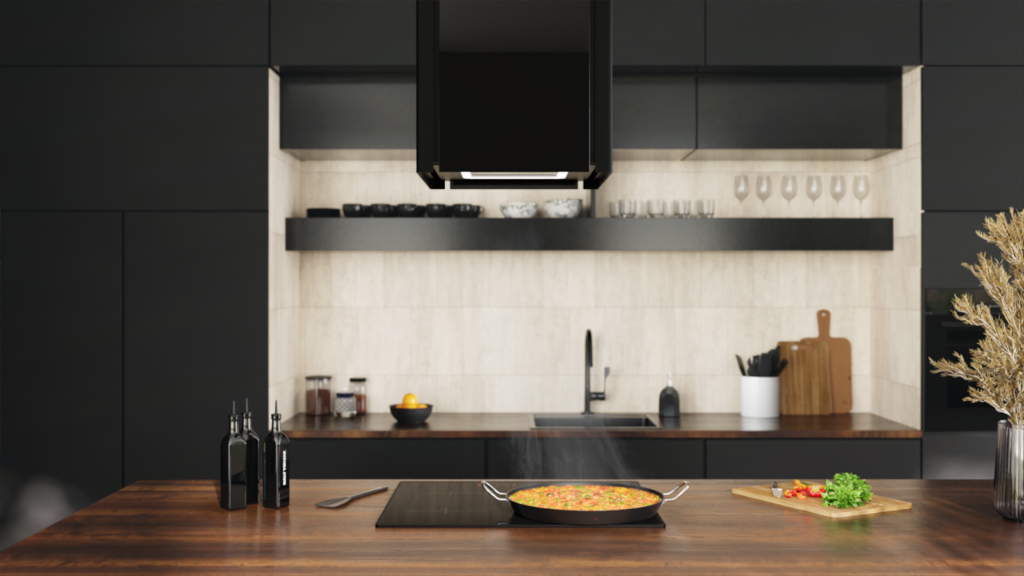
A quick look at the lifestyle image above conveys how effective the extractor hood is in taking away the steam or smoke from the food being cooked. This visual also indicates the clean and modern kitchen space that the product enables, making the viewer connect with the product’s value proposition.

Lifestyle image showing different appliances in a modern kitchen setup – The visuals create a deep desire not just with the products – the induction hob, extractor hood, oven and wine fridge but with the lifestyle these products collectively enable. The focus is on the premium lifestyle associated with the brand. The lighting, mood, camera angles and props are carefully selected to make the shopper fall in love with the experience of owning these products and being immersed in this lifestyle.

Lifestyle Image of a Wine Fridge
The images above vividly convey the premium lifestyle associated with the wine fridge. The focus is on showing a premium wine dining experience and not just on the wine fridge as a product. This is achieved in the following ways:
- The premium look and feel of the wine bottles, showing high-quality wine.
- A common mistake in wine fridge photography is showing empty shelves to highlight capacity. This image takes the opposite approach. A fully stacked fridge doesn’t just say “I hold 30 bottles”; it says “You are ready for any occasion.” It implies a life of entertaining guests, hosting dinner parties, and storing a personal collection of signature collectables.
- The neat, repetitive arrangement of the bottles creates a visual rhythm that signifies curation and sophistication, not just storage.
- By showing bottles stored horizontally (the correct way to keep corks moist), the image subtly signals a refined experience to wine enthusiasts
- The lighting brings the ambiance of a high-end lounge or a private party, showing a relaxed, moody setting.
- Each material element – the clear glass of the wine bottle, the fine wooden shelves, the transparent glass door and the metal body of the fridge is elegantly incorporated in the image.
The Foundation for Creating an Impactful Lifestyle Image
To create an image that can tell your product’s story, it is essential for the visualisation partner to align with your product team in understanding the following:
- The depth of the problem statement and value proposition.
- Functionality of the product and how exactly it solves the problem.
- Target audience – The type of buyer persona your product solves for.
- The different use cases in which your product solves the consumer’s problem.
- Unique value proposition – What unique problem does your product solve or how does your product uniquely solve a common problem
Breaking Down the Process of Lifestyle Image Creation with an Example
In the example below, a window air conditioner is the product.
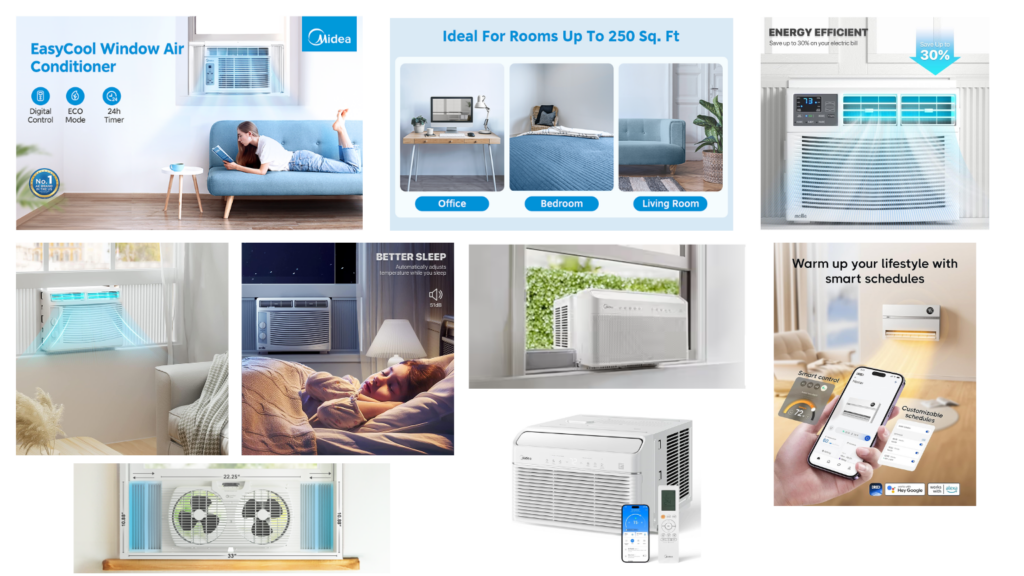
Creative brief received from client
Lifestyle images are designed accordingly to bring out the product narrative, value proposition and use cases.
1. Emotional Connect with the Product’s Value
The lifestyle image should enable the consumer to connect with the product’s value in one single glimpse. It should touch the pain point of the ideal customer and narrate the story of how it solves the pain point uniquely, in an environment that best represents the product’s use case – all in a single glimpse.
78.3% of consumers in one study agreed that product photos need to “convey the story of the brand” to captivate them.
In this case, we have showcased a family member sleeping peacefully in a cozy bedroom due to the air conditioning and circulation enabled by the product. The emotional connect is created as we are showcasing ‘peaceful sleep’ that is enabled by the product, rather than showcasing the product itself. This emotional connection goes a long way in establishing the foundation of the relationship with the shopper, as a brand that answers their basic question of ‘How does this product help my family or me?’
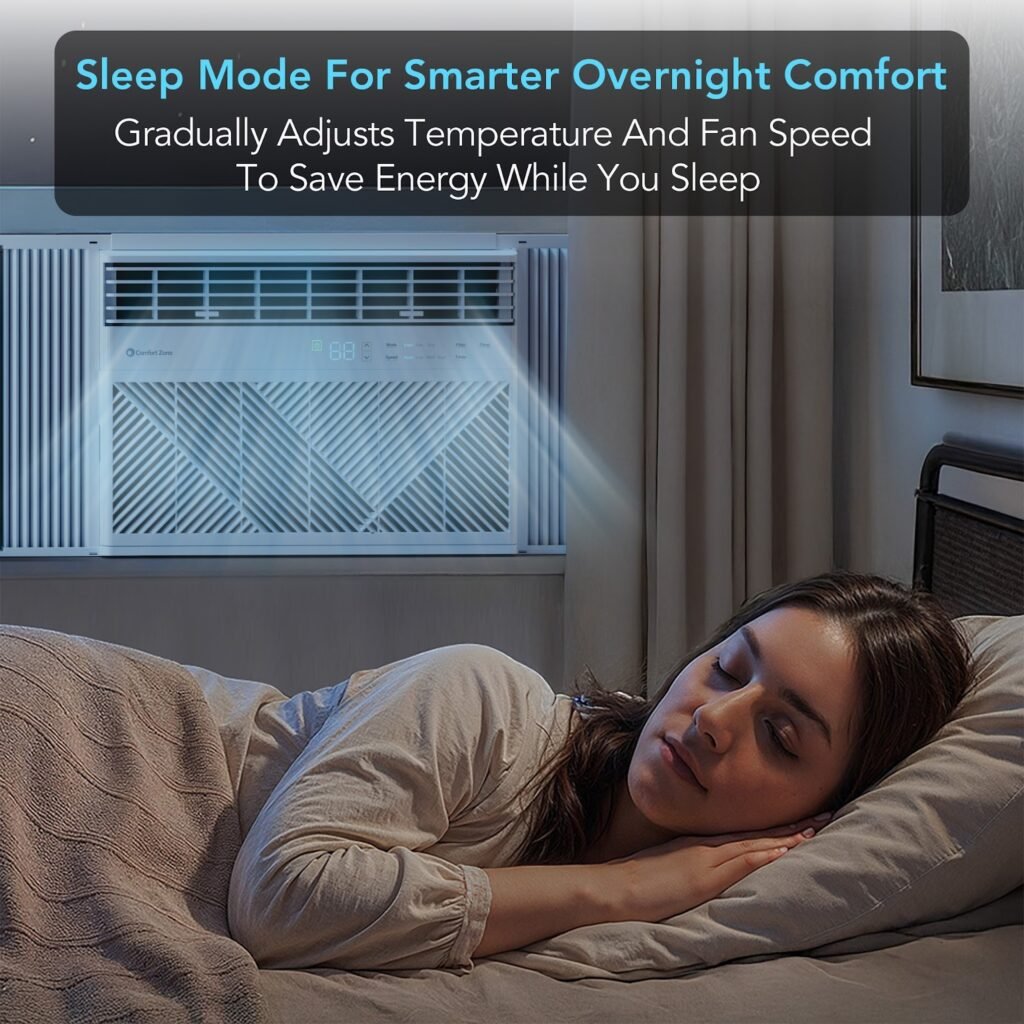
Lifestyle visual showing how the air conditioner enables a peaceful and comfortable sleep and a quality lifestyle. The image helps the shopper connect with the product’s core value both emotionally and logically.
2. Different Environments/ Use Cases
One or more environments have to be shown where the product is best used. In this case, the air conditioner can be used in multiple locations. The image is intended to showcase the versatility of the product and also empower the shopper to easily relate to any specific use case they are looking for.
3. Natural/Relatable Environment
In many cases, it is fancy to visualize the product in an environment that reeks of luxury. But when the environment doesn’t look ‘lived-in’ or is too idealistic or appears sterile, the consumer subliminally starts to disconnect from the visual, product and eventually the brand. Hence, the importance of building an environment that is realistic, marginally imperfect, lived-in, and relatable to the target income group cannot be overstated.
4. Attention to detail
It is important to manage the creative process in detail, clearly defining ownership, specifying inputs your team would provide and deciding what part of the creative is expected to be handled by your visualisation partner.
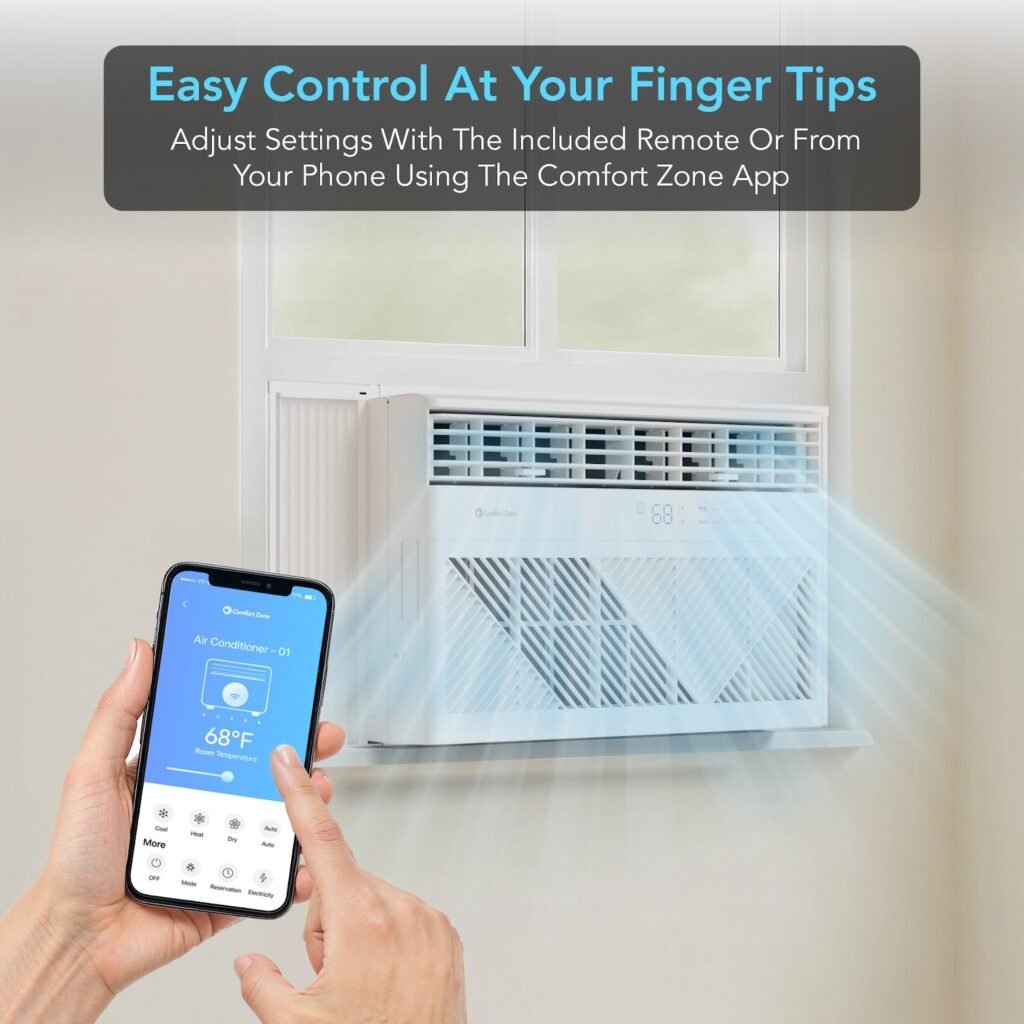
The image shows the ease of use of the air conditioner. In addition to the remote, it can be controlled by the user’s mobile phone as well. Even if it is a small feature, the visual can communicate it better and make the feature appealing to the buyer.
Best Practices to Keep in Mind while Creating Lifestyle Images
1. The image needs to ‘evoke a desire to buy’
A good lifestyle image focuses on showcasing the ‘lifestyle’ that the product enables, not the product itself.
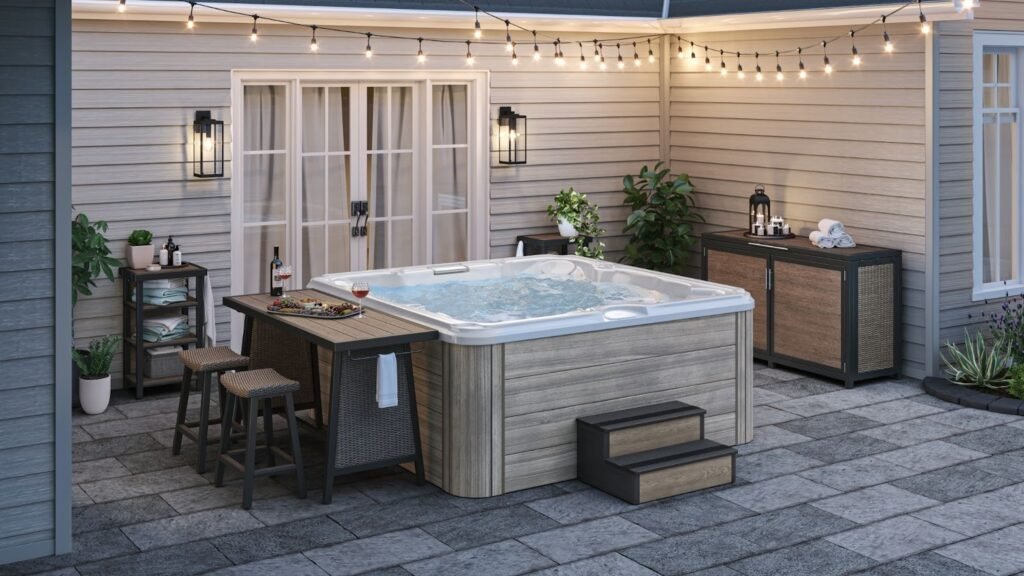
Lifestyle image of outdoor hot tub furniture and accessories
The above image was created for a brand that sells furniture for the space around an outdoor hot tub – chairs, stools, dining tables, storage cabinets, etc. If these products are shown separately, they don’t catch the eye of the viewer. But showing the products in use around the tub, in a gentle evening light, gives a relaxed and laid-back mood. The peace, comfort and social bonding that the products collectively offer can be experienced by the shopper just by seeing the image. This evokes a strong desire to buy the products and relish the lifestyle.
2. Aim to reduce cognitive load on the shopper
As per scientific studies published in MDPI, the brain processes visual information approximately 60,000 times faster than text. This reduces the friction of the shopping experience. Research into cognitive load in photography contexts suggests that high-complexity tasks (like evaluating a product’s suitability) are significantly aided by visual cues that serve as external memory banks, allowing the user to make comparisons without holding abstract details in their working memory.
In the example below, the product is an 8-inch cladding & soffit.
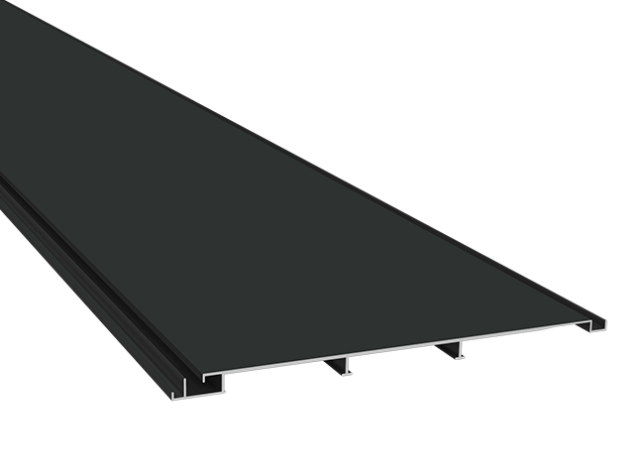
The silo image of the cladding shows the product individually, but would be of heavy cognitive load for a designer, architect or building owner to decide which colour or finish to choose by looking at the individual product. To imagine how this product would stack up one on top of another, along with the reflectivity level and net colour output, is a very difficult decision. Not to mention that this decision is expensive and has long-term implications.
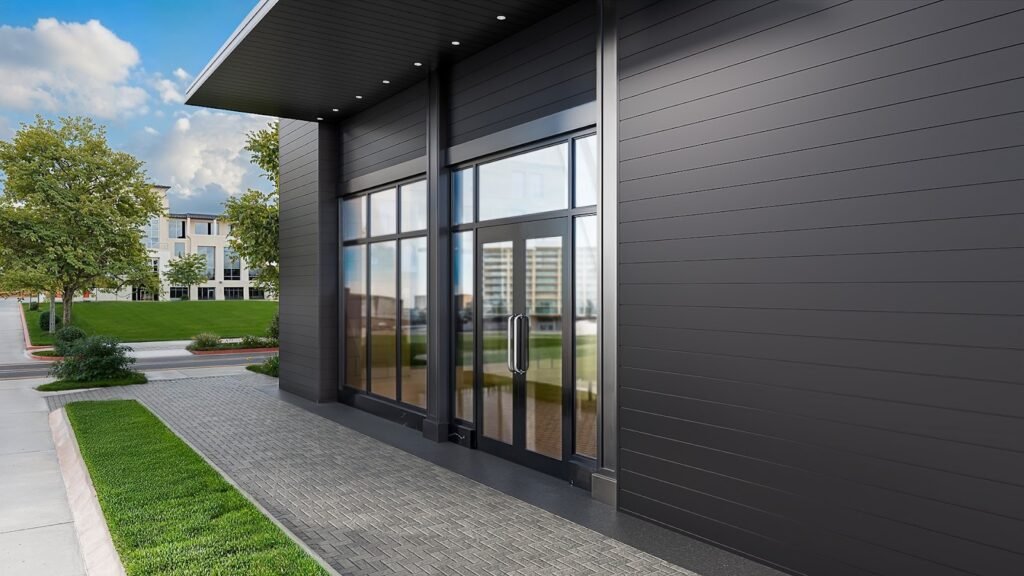
Lifestyle image showing how the cladding looks when applied to a building
The lifestyle image here would give the decision maker a great perspective on how the building or facade would look as a finished product. The lifestyle image shows us how the product stacks one on top of the other, giving seamless integration with minimal gap between tiles. This image also gives the designer an idea about the reflectivity that the product creates, giving the overall aesthetic idea associated with the product.
Taking into account that the product is a premium one, we have built an environment that is more premium in nature, representing a corporate park with multiple other buildings. This also allows the design professional or architect to comprehend the product’s fitment with their project. The subtle reflection on the glass gives us further insight into the environment that this product could be used in.
3. Ensure visual consistency
The key to building trust in your brand is consistency. Our process ensures that your product’s value proposition and accuracy are not compromised, regardless of scale. The consistency in visualising the product flows through any type of visual that we create.
Consistent, on-brand imagery contributes to brand differentiation and recognition. Academic findings show that the quality and style of product photos on a website shape the company’s brand image and influence purchase decisions.
In this example, the hero product is an all-weather fabric that can be draped on a variety of outdoor products – throw pillows, curtains or sofa cushions.

Image showing the fabric color and texture
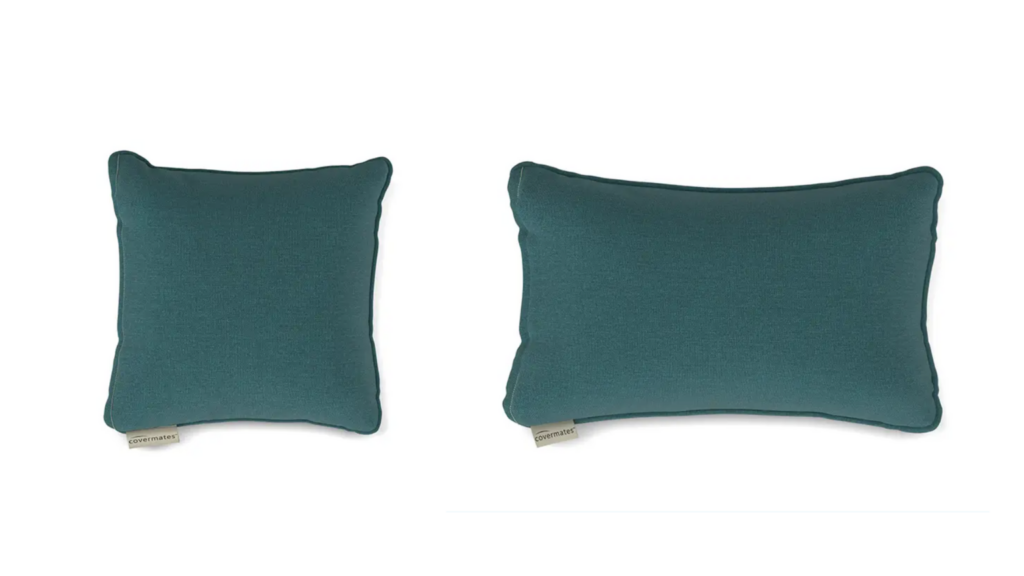
Image showing the finish of the fabric when applied on a pillow
We need to showcase the versatility of the product and how it can be used in a variety of scenarios to bring out the product’s true value proposition. There was a need to create hundreds of lifestyle images showing cushions, curtains and pillows across fabric variants. We ensured that all aspects of the fabric, i.e., thread work, thread count, richness, look & feel and fabric orientation remain consistent.
The images below show how the fabric is shown with great consistency across different use cases.
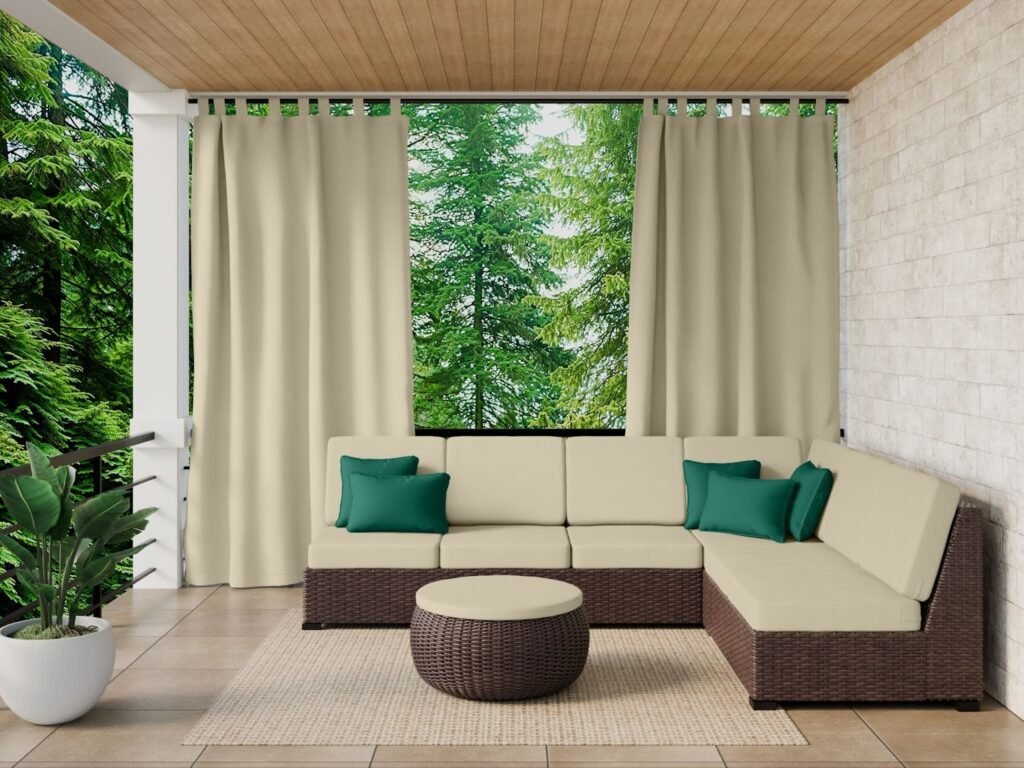
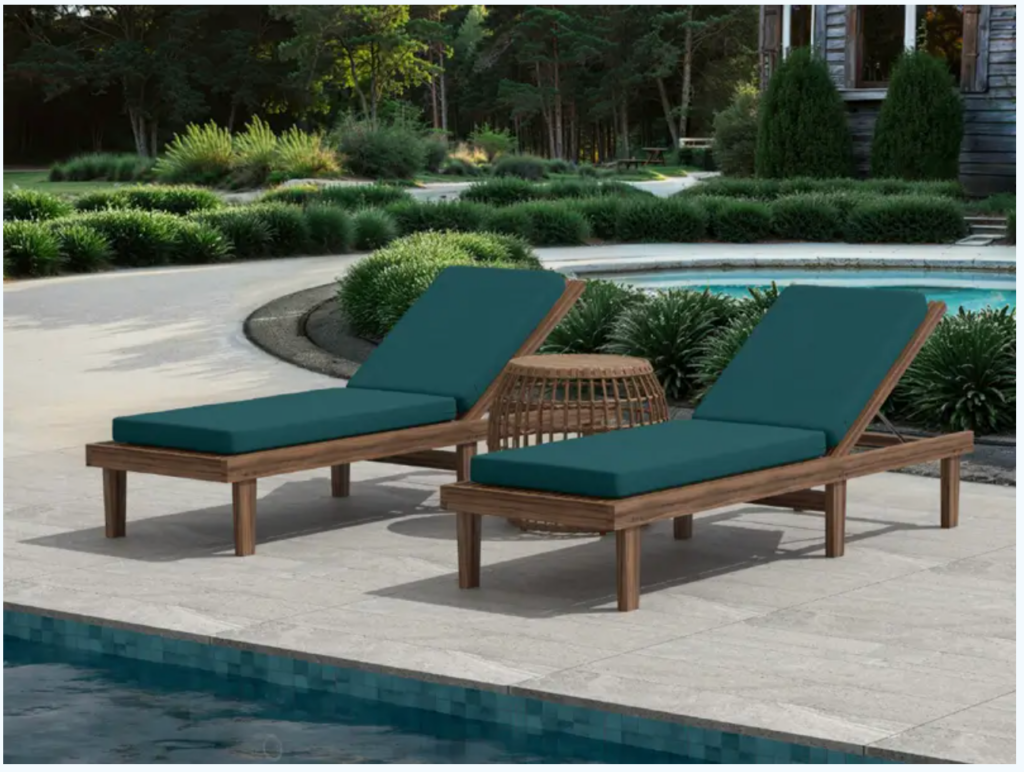
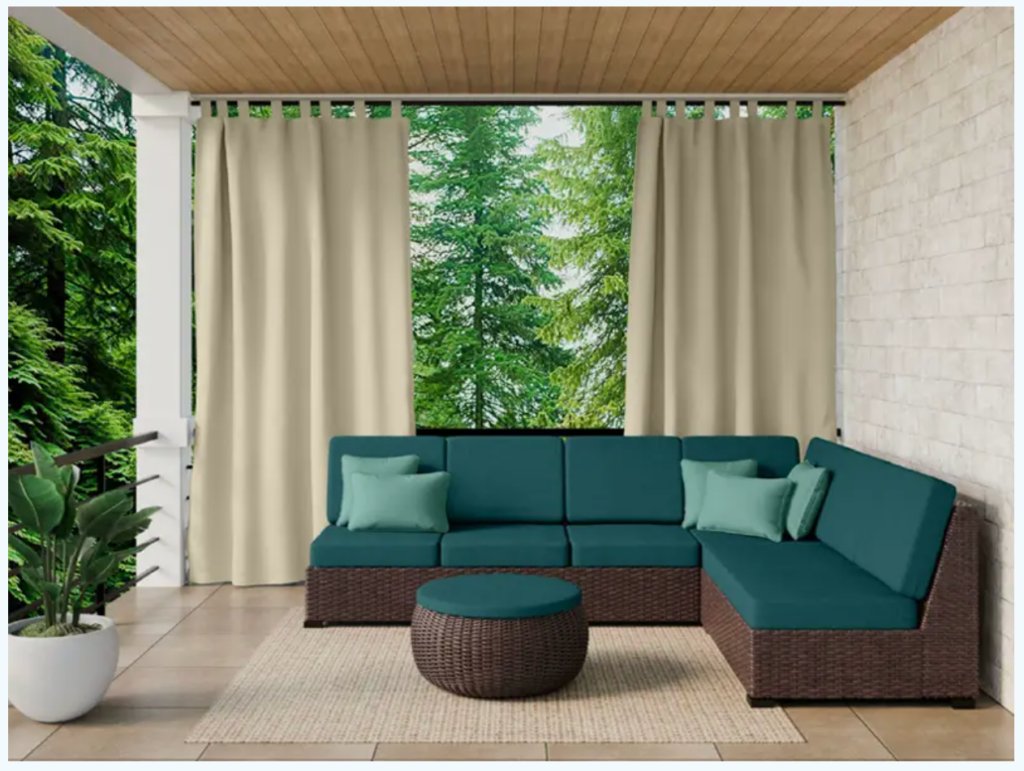
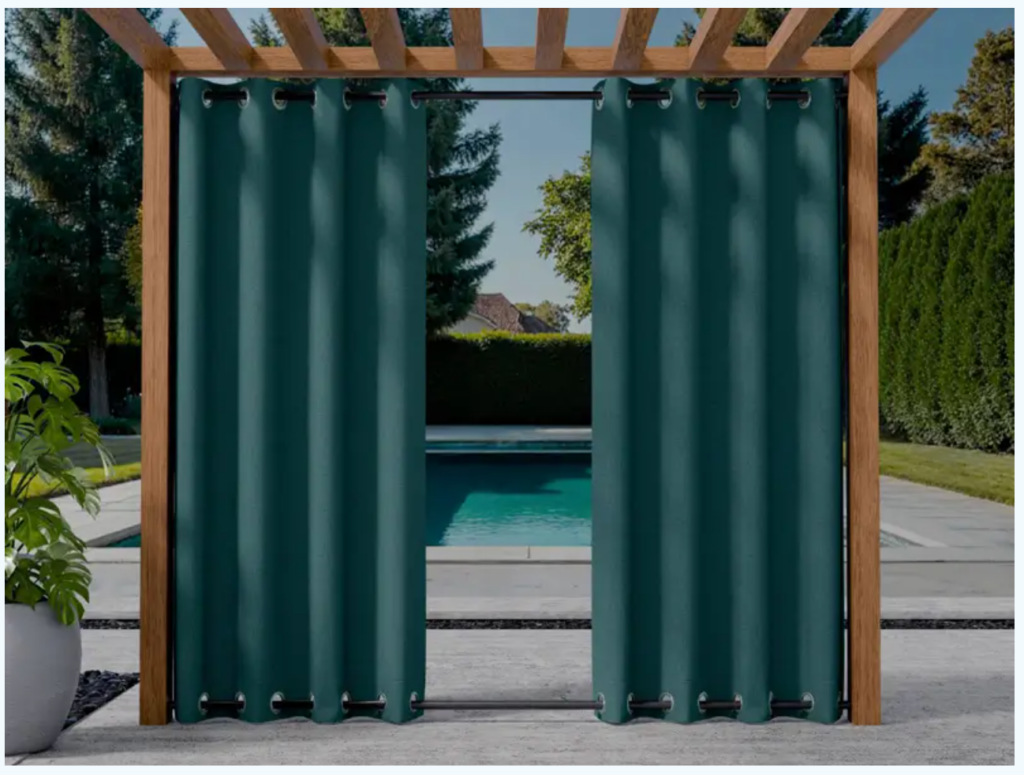
A series of lifestyle images showing how consistency is ensured across the product’s multiple use cases. A standalone image of fabric material would just tell the viewer what the product is. But by using lifestyle images, the shopper is immediately drawn to the product’s core value that it is highly versatile and suitable for a wide range of applications – sofa cover, recliner seat, cushion and screens, in both indoor and outdoor environments. By maintaining color and texture consistency, the visuals evoke positive brand perception and influence buying decisions.
How 3D Rendering is Best Suited for Creating Lifestyle Images
No Physical Prototypes Needed
High-quality lifestyle images can be created while the physical product is still in the production line, significantly reducing time-to-market. Also, the large size of products is a major deterrent in lifestyle photography – the logistics, the staging efforts, time and cost.
The example below illustrates the importance of CGI in creating lifestyle images of large-sized products. The product is wooden butcher blocks that can be used as tabletops, countertops, etc.
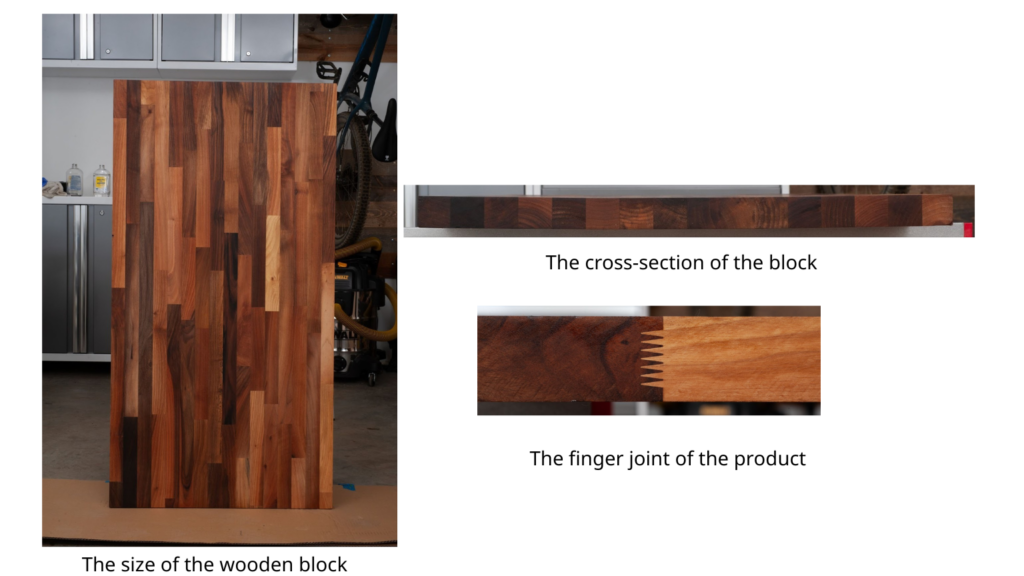
Input images – The wood is heavy and bulky
Imagine having to carry this bulky wooden block, cut it to different sizes and stage an environment to show its different use cases. The thought itself would be tiresome. But using CGI, the product is modelled in 3D, textures replicated perfectly and a large number of lifestyle images are created seamlessly, bringing out the product’s true value and making the shopper instantly connect with it.
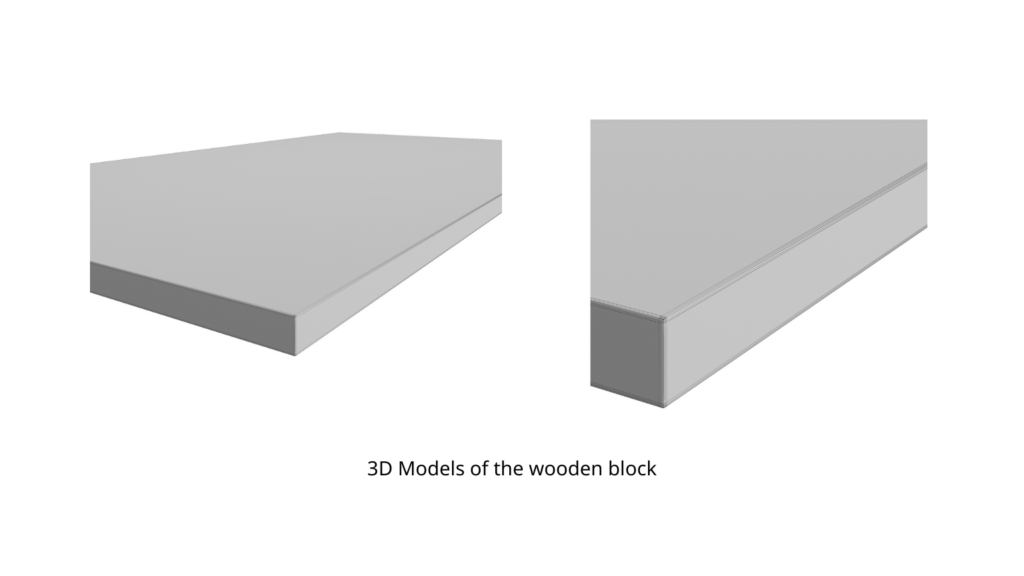
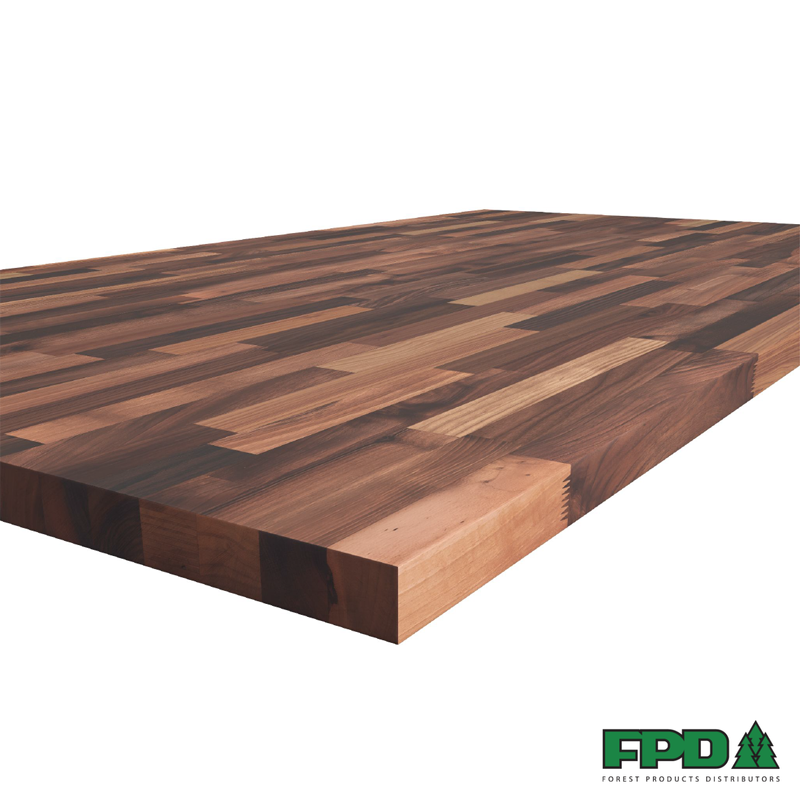
Replicating the texture exactly so that it is indistinguishable from the actual wood
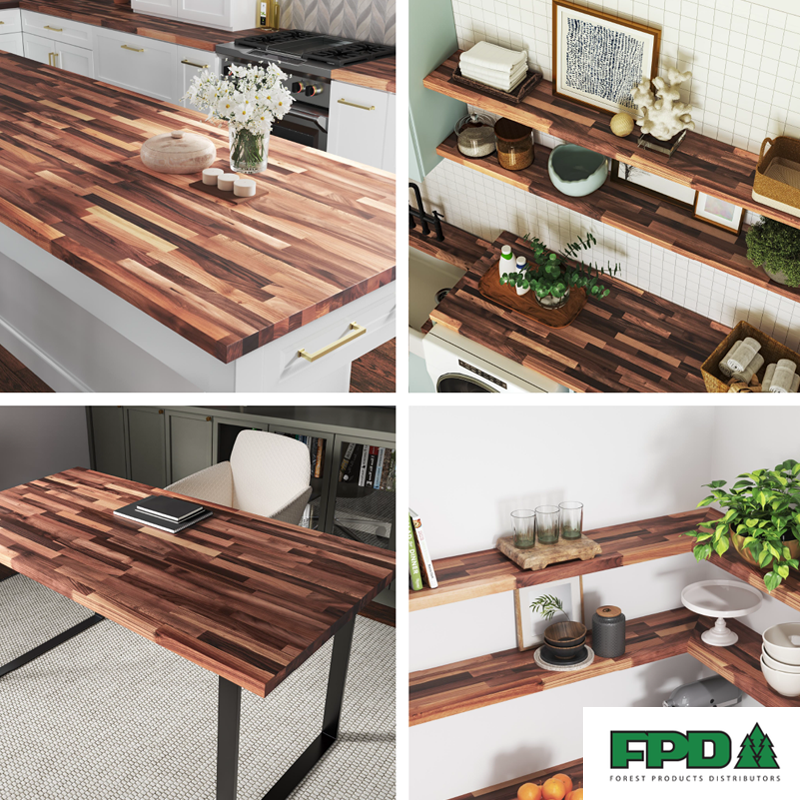
Lifestyle images showing the product in use
The above lifestyle images transform the butcher block into a versatile design solution by showcasing its wide utility. Rather than limiting the product to the kitchen, the visuals expand the customer’s imagination, showcasing the wood as a sturdy home office desk, warm shelving, and custom cabinet surfaces. Visually, the images utilize a smart contrast strategy – the rich, organic variations of the wood grain pop vividly against crisp white walls and cabinets, making the product the real “hero” of each shot. Furthermore, the strategic use of props—such as laptops, ceramics, and greenery—provides crucial context and scale, proving the material’s structural integrity while evoking an inviting, lived-in atmosphere. Ultimately, these images are impactful because they bridge the gap between technical application and emotional aspiration, selling not just a countertop, but a warm, finished aesthetic made of authentic wood.
One Scene, Infinite Uses
Once a digital environment is built, it is a permanent asset. For example, you can reuse the same digital space to shoot 50 different rugs without ever setting a physical stage.
In the example below, a single exterior environment has been repurposed to showcase multiple outdoor furniture products.
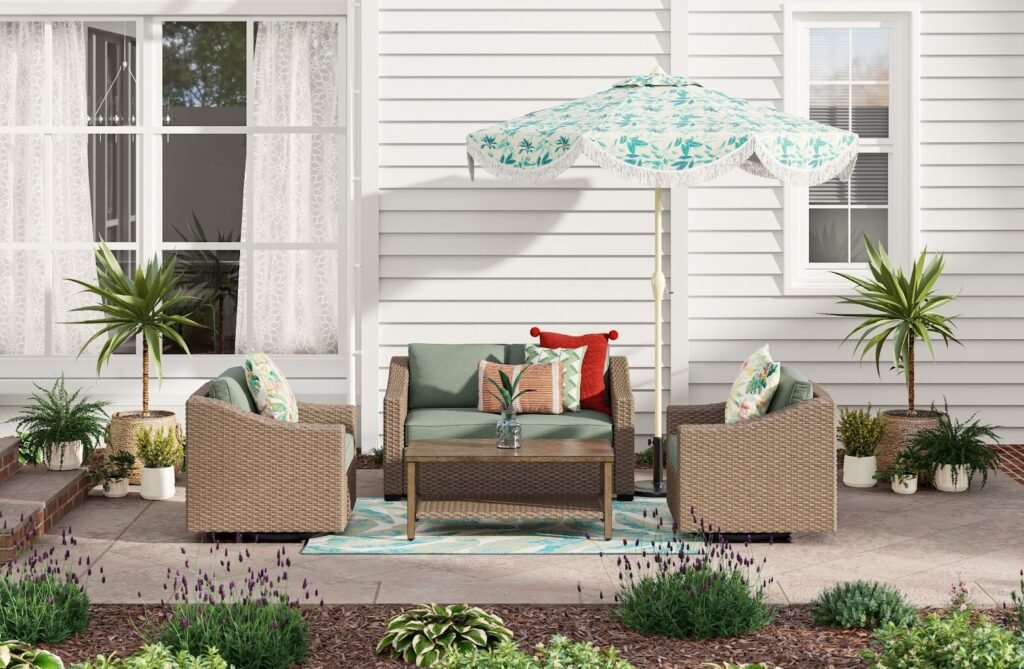
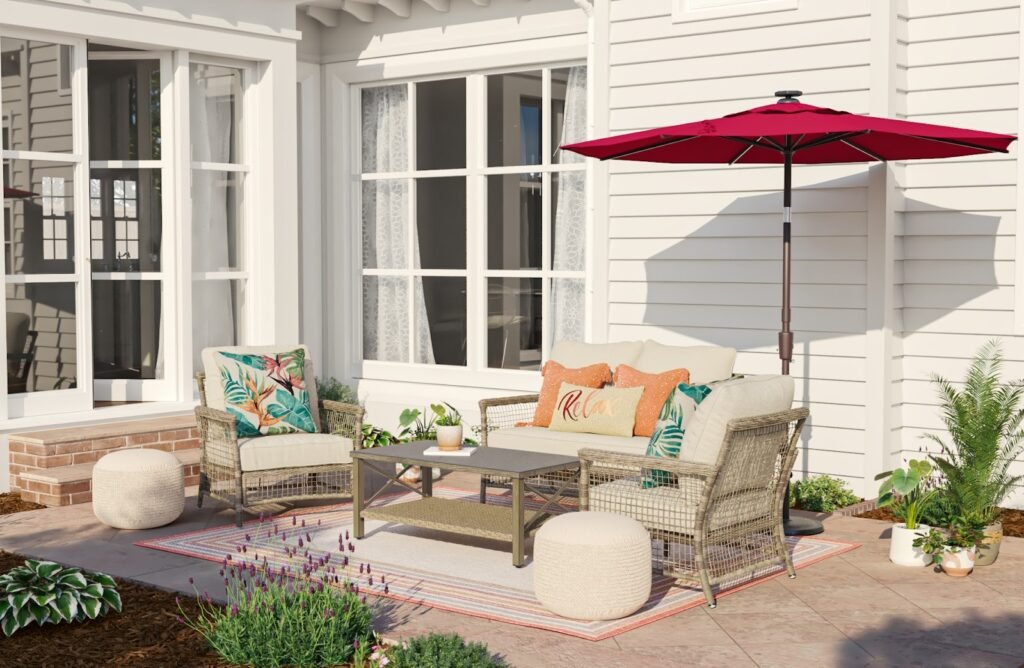
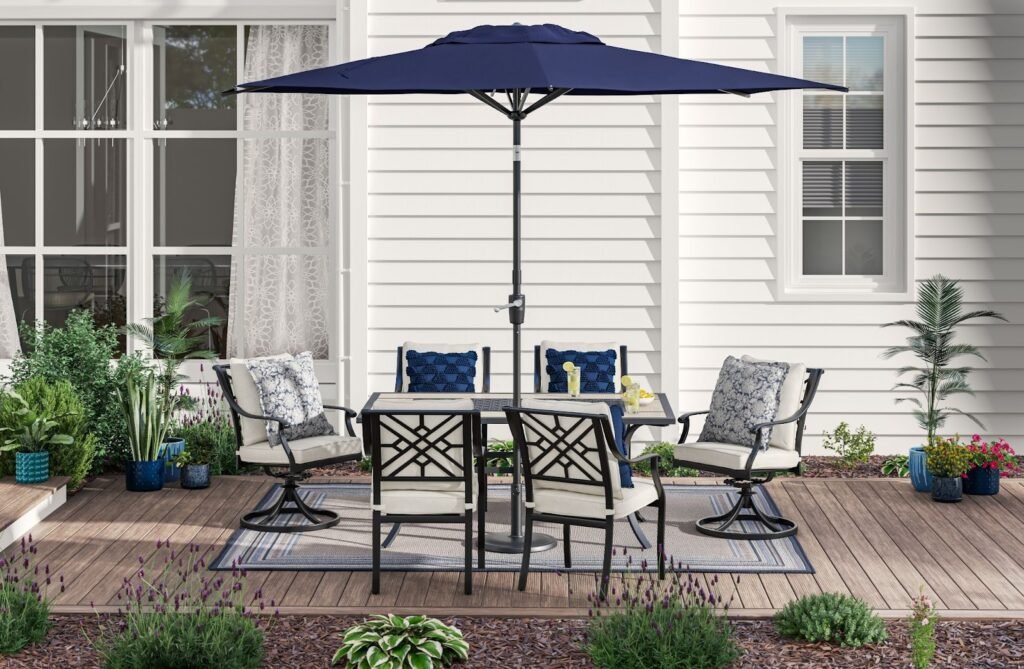
A series of lifestyle images built using the same outdoor environment. This set of images offers a masterclass in using a modular environment strategy to market a wide variety of products. By keeping the same space, the brand can simply swap out furniture and accessories to address different target audiences and show different product styles. The primary environment is intentionally designed to be neutral. The white walls and natural wood tones act as a blank canvas that does not compete with any color palette. This conveys to the customer that the furniture defines the space and allows them to visualize multiple styles for their own home.
Endless Possibilities
With CGI, you aren’t limited by geography, weather or logistics and have absolute control over light, shadows, reflections, and mood.
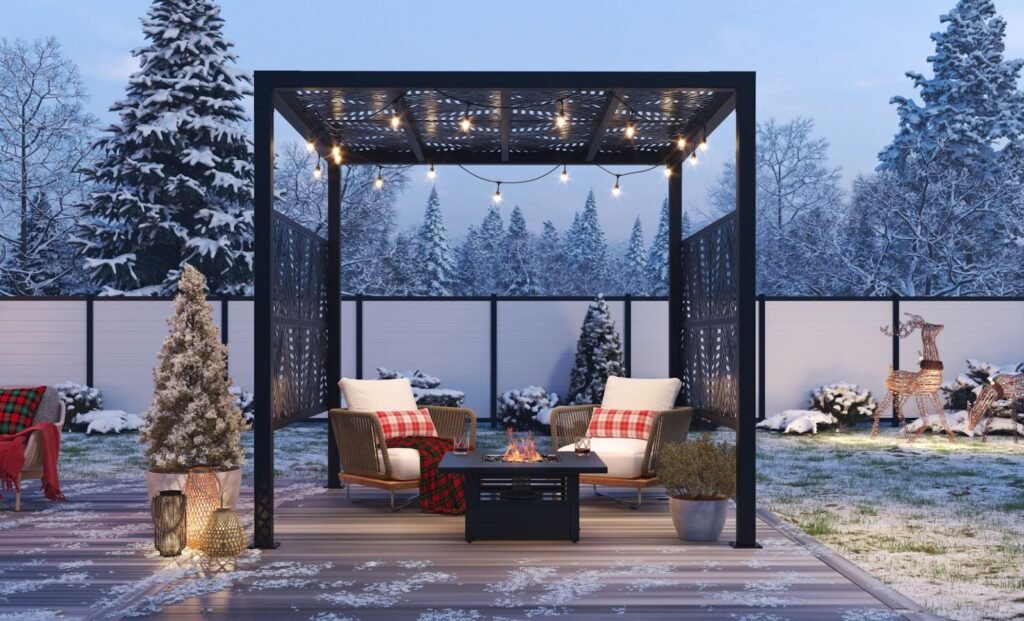
Lifestyle image in a snowy evening setting
The biggest barrier to buying expensive outdoor structures like pergolas is the customer’s belief that they can only use them for 3-4 months a year. By staging the pergola in the snow, the image proves the product is useful year-round. It creates a narrative that the outdoor space is an extension of the living room, even in winter. The cool, blue tones of the snowy landscape and twilight sky are sharply contrasted by the warm, amber glow of the string lights and the fire pit. This contrast leads the eye directly to the center of the pergola. The warmth implies safety and comfort, drawing the viewer into the lifestyle offered by the product.
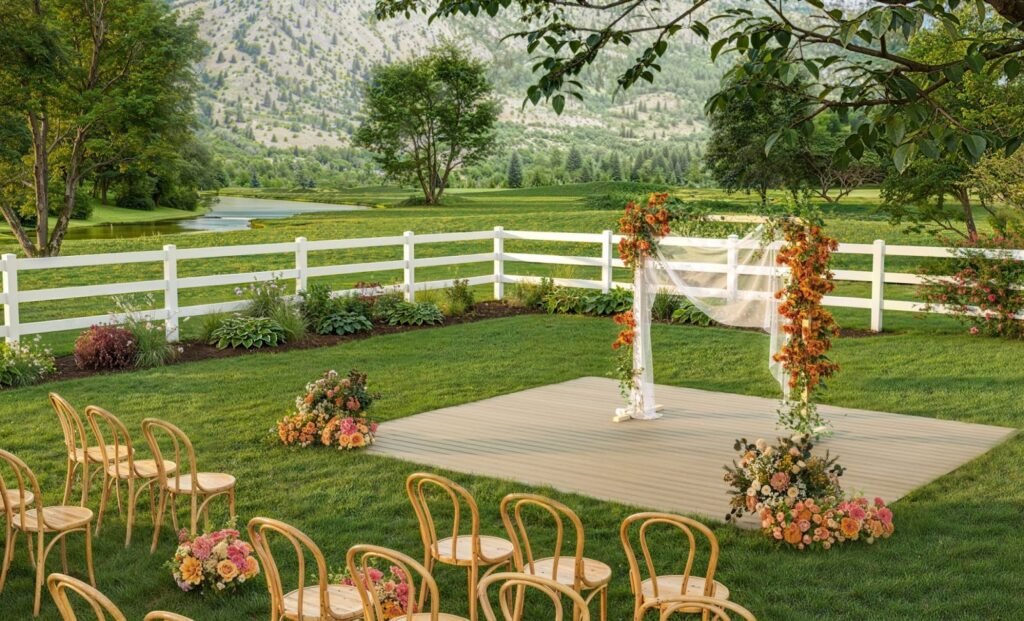
Lifestyle image set in a serene natural landscape
This lifestyle image takes a unique approach to marketing decking material by moving it away from the house and into the landscape. This image is powerful because it shows the deck as a standalone destination. A wedding is an important day where the margin for flaws in the arrangement is near zero. By placing the product at the center of this event, the brand implies that the deck is of premium quality, photogenic, stable and robust. The soft floral arrangements and the scenic mountain backdrop transfer positive emotions to the product. The deck isn’t just a floor; it’s the foundation for a beautiful memory.
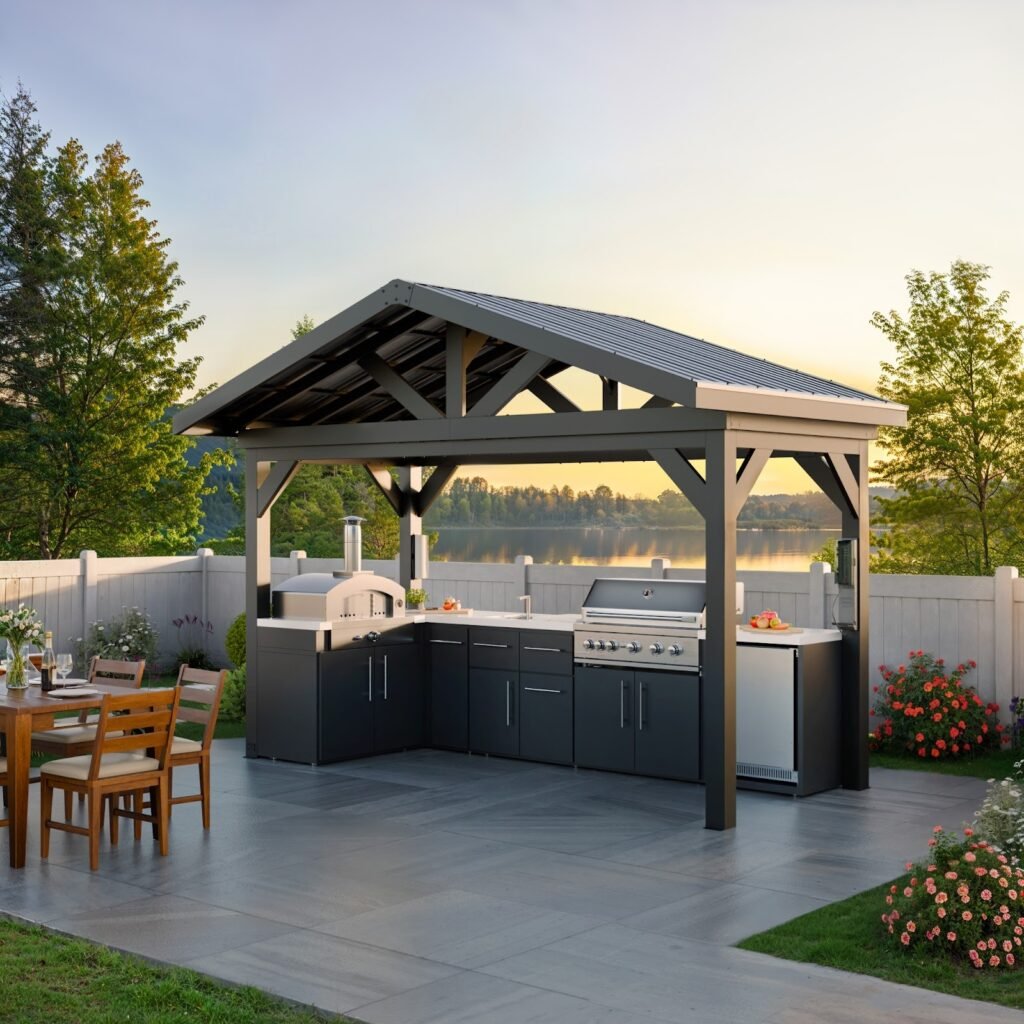
Outdoor kitchen showcased in golden hour lighting
The above setting is engineered to evoke a sense of peace and luxury, triggering an emotional desire for the lifestyle the product provides. The warm, golden sunlight suggests the perfect time for an evening party. The primary strength of this image is that it showcases a complete ecosystem enabled by the product, validating the price point and giving an immersive product feel.
Omnichannel Readiness
High-quality 3D assets created for lifestyle static images can be easily repurposed for 360-degree product spins, Augmented Reality (AR) shopping experiences, or video animations later.
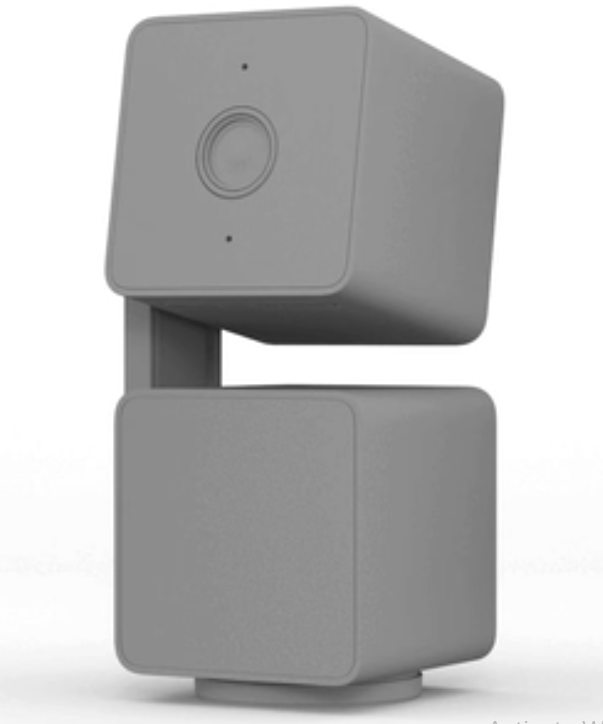
3D model of the camera created as part of the lifestyle image creation process
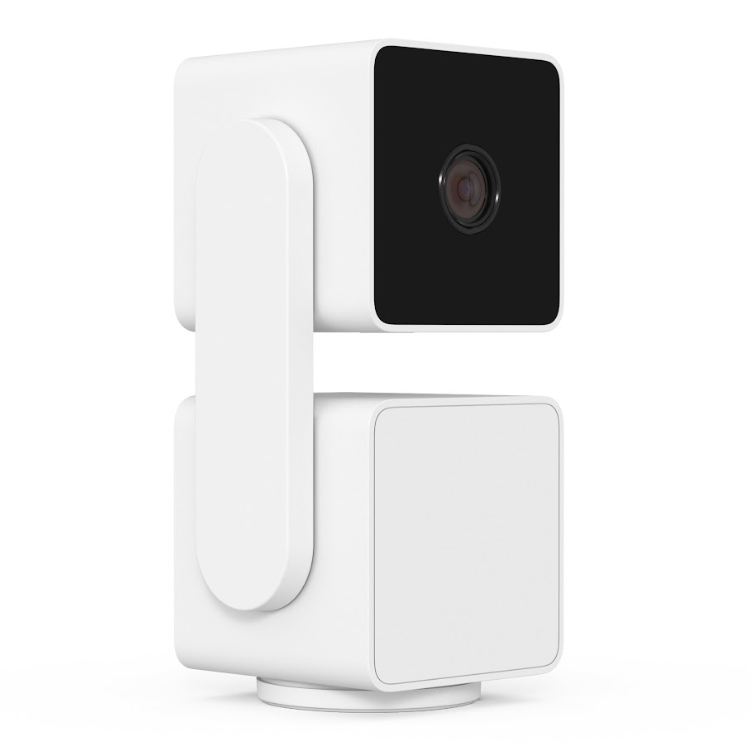
Silo image of the camera on a white background

Lifestyle image of the camera
Product showcase video of the camera
Using the environment built for lifestyle images to showcase camera movements and the span of coverage
Rapid Visualisation of Product Variations
If a product comes in multiple colors, layout variations or size variations, you don’t need to photograph each physical item and its respective variations separately. You render the scene once and swap the variations digitally in quick succession to generate a full portfolio of SKUs.
Brand Consistency
3D rendering ensures the exact same camera angle, focal length, and lighting intensity for every product launch, ensuring a uniform brand aesthetic.
The 2024 study noted that integrating rich media and consistent visuals can be decisive in differentiating the brand and increasing customer loyalty. Using a templated look for lifestyle shots ensures every product photo feels like your brand, which can set you apart from competitors who have disjointed visuals.
For example, the product below is an outdoor floor decking. It comes in different colors and textures. Imagine having to physically shoot this product stacked fully, showing different colors while maintaining consistency in lighting and camera angles. It is a hectic job with photography, but with CGI the process is simple.
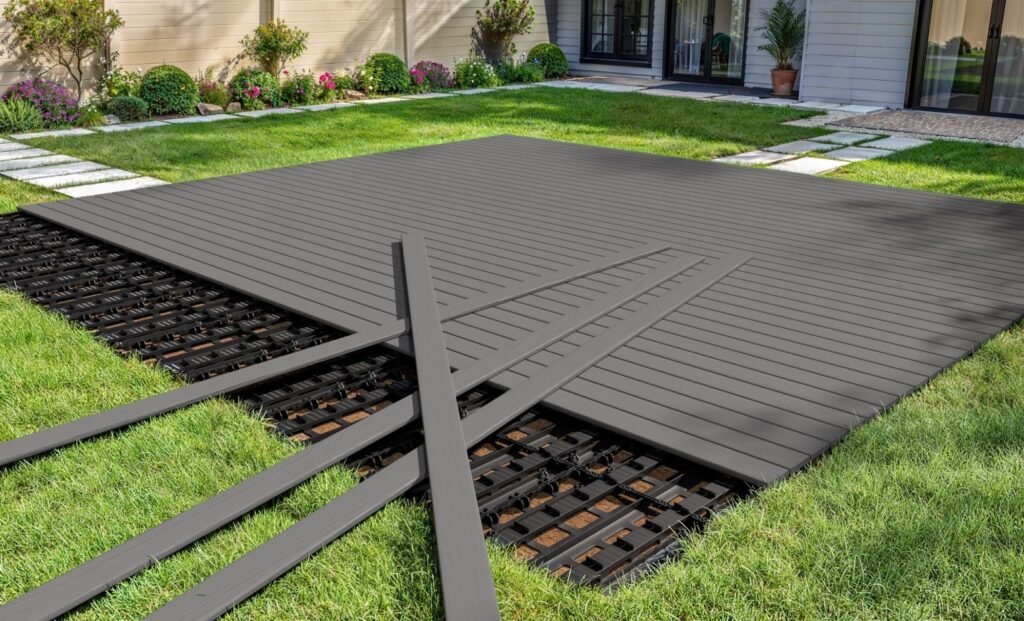
Image showing how the decking panels are set on the ground
The following visuals demonstrate the consistency in representing the decking. Notice the consistency in the lighting, camera angles and prop arrangement.
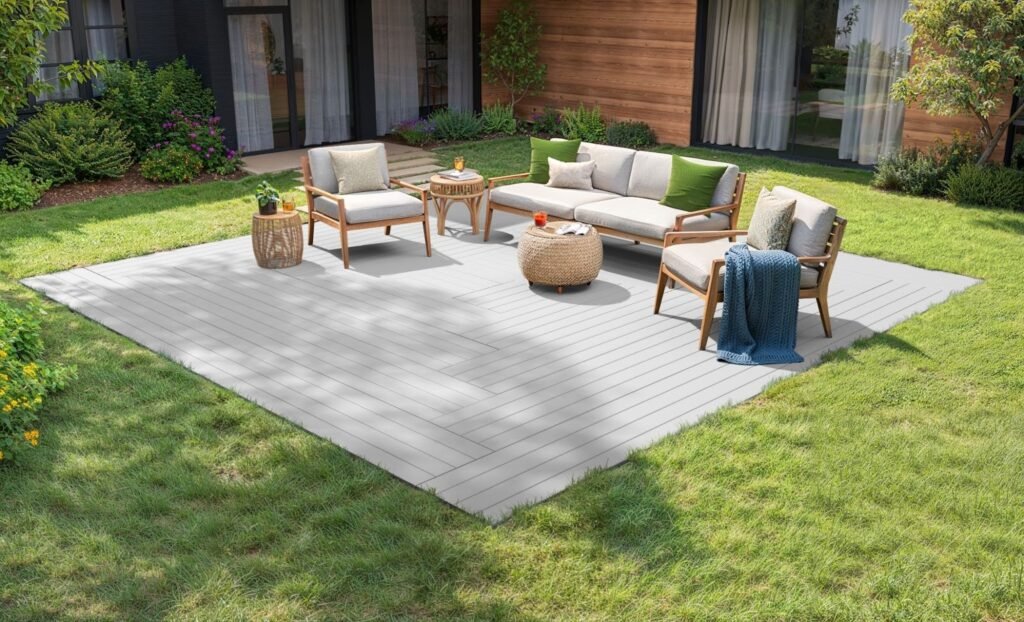
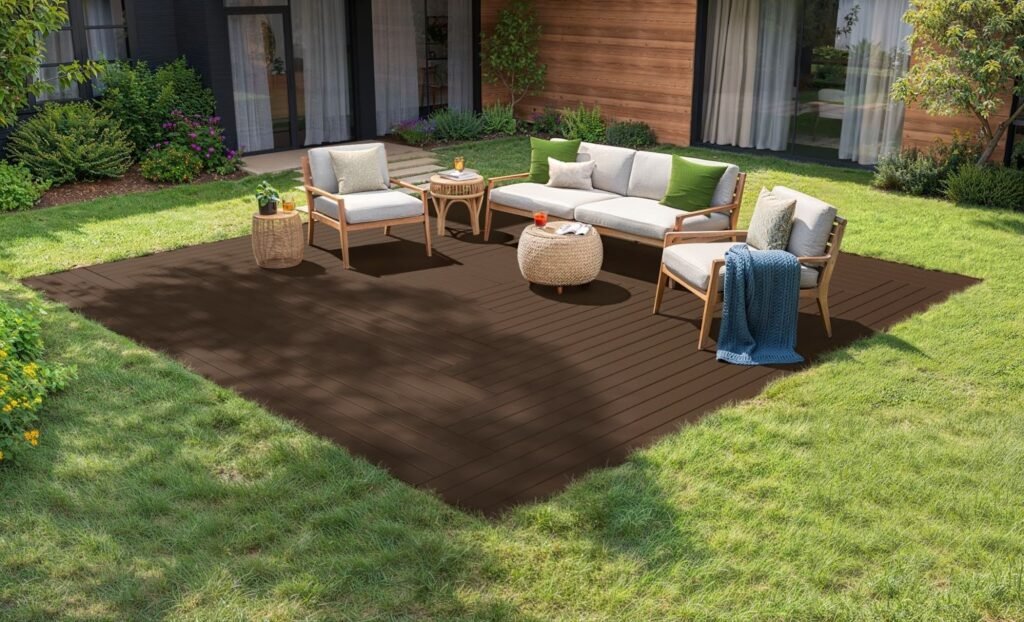
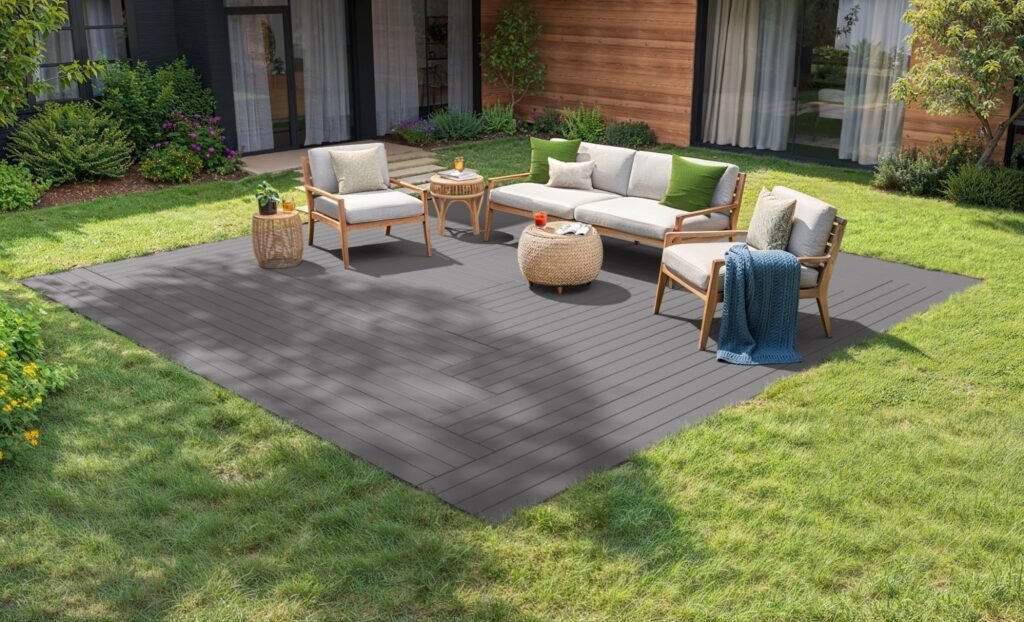
Without CGI, showing the different variants of the product in use, in an outdoor setting, by photography, is a tedious job. 3D product visualization makes the work hassle-free and impactful at the same time.
Easy Updates
Did the product design change slightly? In photography, this requires a reshoot. In 3D, you simply update the model geometry and re-render the existing scene.
What is the ROI in High Quality Lifestyle Imagery?
The impact of lifestyle imagery on the bottom line is measurable, significant, and documented across various sectors. Multiple studies converge on the finding that high-quality images are the single most influential factor in purchasing decisions for over 90% of online buyers.
In a 2024 peer-reviewed study analyzing 36,000+ online shopping sessions, products with lifestyle images saw dramatically higher sales than those without. The uplift was striking – conversion rates nearly doubled on platforms where context photos were featured, and two sites experienced +94% and +435% sales increases for home décor items when lifestyle lead images were used.
Multiple sellers on Reddit claim that improving product content significantly increases sales.
The Return on Investment (ROI) of lifestyle photography is not just generated by increased sales, but also by decreased costs – specifically, the cost of returns. A primary driver of e-commerce returns (which average around 30%) is the “expectation gap”. According to a study, 22% of products received look different from what is shown online.
Showing the product in a real environment with real lighting and scale references sets accurate expectations. A customer who sees a sofa in a living room context knows exactly how large it is and how the fabric absorbs light. This clarity reduces the likelihood of disappointment-driven returns, thereby protecting the retailer’s margin.
Retailers like IKEA and Target utilize CGI because it allows them to render a sofa in 50 different colors without manufacturing a single unit, enabling pre-order business models and massive catalog consistency. Ikea’s catalog now uses 75 percent computer generated imagery. (source)